The Twists and Turns of the Vallow Daybell Legal Saga
The legal proceedings in the case of Lori Vallow Daybell have captured the public’s attention, not only because they involve a string of heartbreaking family tragedies but also due to the tangled issues of murder conspiracy charges that have emerged across multiple states. In an unfolding drama that reads like a modern thriller, we witness a mother with doomsday religious beliefs embroiled in a web of legal challenges stretching from Phoenix, Arizona to Idaho. This op-ed takes a closer look at the case, its complicated pieces, and what it tells us about the current state of our justice system.
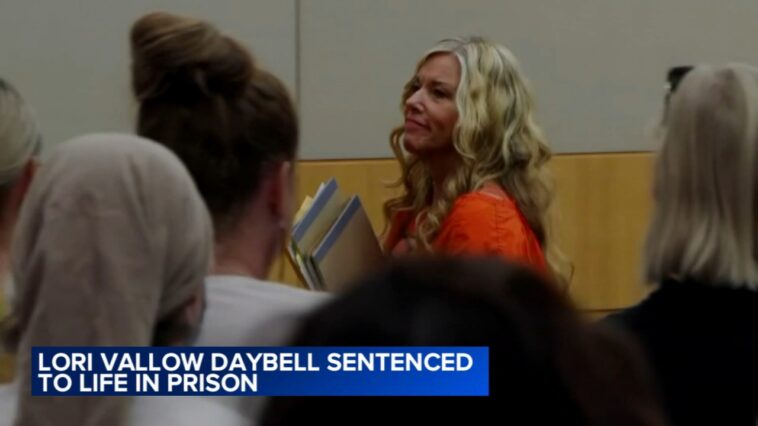
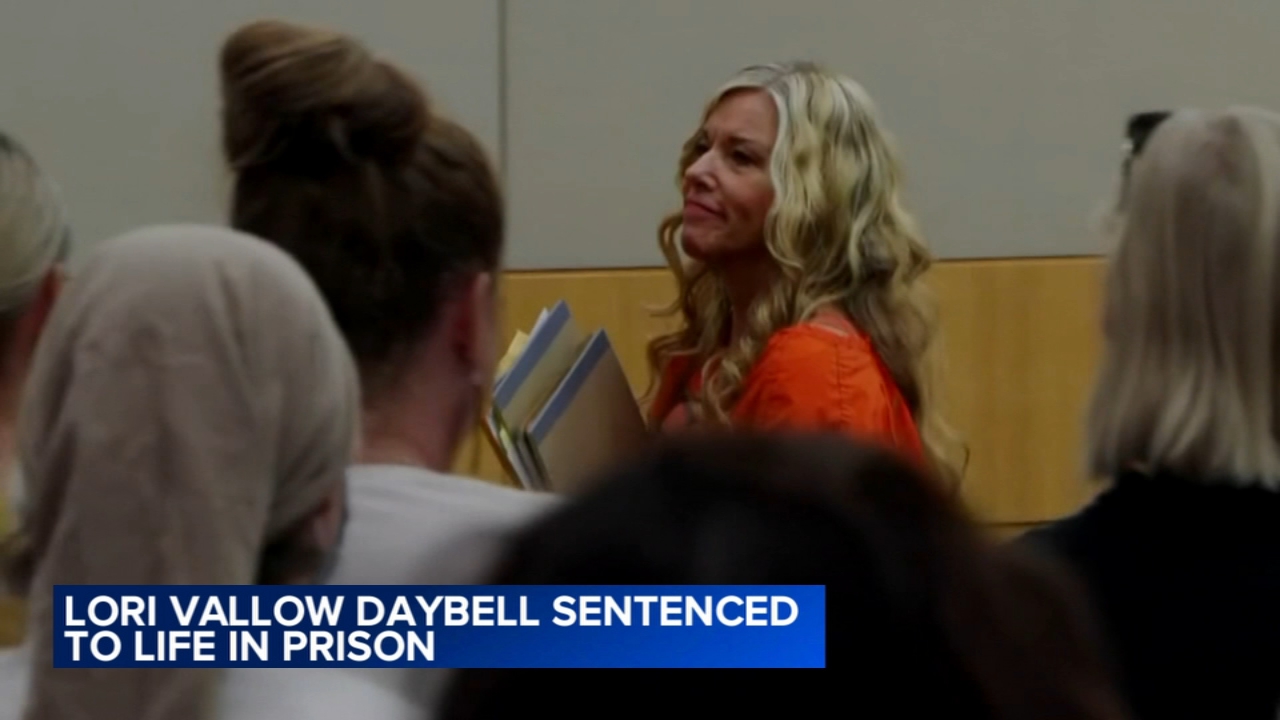
In recent courtrooms, Lori Vallow Daybell received a life sentence on two separate murder conspiracy convictions. These convictions are related to the plots to murder her estranged husband and her niece’s ex-husband. With a background rife with bizarre claims about possession by evil spirits and end-of-world prophecies, this case forces us to dig into the subtle details of both the legal process and the social dynamics that influence high-profile cases such as this.
Understanding the Legal Framework Behind Murder Conspiracy Convictions
At the heart of this legal saga are the charges of conspiracy to commit murder—a concept well-known in criminal law but laden with twists and turns when it involves multiple jurisdictions and complex personal relationships. There are several key factors that courts consider when adjudicating such serious offenses:
- Proof of an agreement to commit the crime
- Actions taken to execute that agreement
- The collaboration between the accused and any accomplices
In the case of Vallow Daybell, prosecutors have argued that she collaborated with her brother, Alex Cox, to murder her estranged husband, Charles Vallow, in order to claim a $1 million life insurance payout and to pave the way for her relationship with Chad Daybell. The details of the case reveal many confusing bits, such as the logistics of how the conspiracies were carried out, and what exactly constituted evidence of a collusive plan.
This case reminds us that while murder conspiracy is largely defined by legal statutes, there are always many hard-to-decipher layers that require a deep dive into both the factual matrix and the subtle legal distinctions. It is a stark reminder that legal systems must steer through not only the letter of the law but also the context of human behavior and belief.
Examining the Tricky Parts of Self-Representation in High-Stakes Trials
One of the most nerve-racking aspects of this saga has been Lori Vallow Daybell’s decision to represent herself during her Arizona trials. While it is a right that many defendants exercise, self-representation in a case as complicated and charged as this one often brings additional challenges. Without the guidance of a seasoned lawyer to address the many tangled issues of trial procedure, evidentiary rules, and cross-examination nuances, a defendant can find themselves overwhelmed by the courtroom’s legal labyrinth.
Representing oneself in court involves a deep understanding of the following:
- The fine points of legal procedure
- The subtle parts of witness examination
- Identifying and countering the prosecution’s line of argument
In Vallow Daybell’s case, her self-representation was marked by repeated clashes with Judge Justin Beresky. Her arguments about her brother’s act of self-defense and her insistence that no evidence linked her directly to a conspiracy illustrate just how intimidating self-representation can be in a case riddled with problems. Legal scholars often warn that while every defendant has a right to self-representation, the stakes in a case like this are super important—and the risk of missteps is tragically high.
Dissecting the Role of Doomsday Beliefs in the Legal Arena
Another layer of complexity that continues to fuel public interest in the case is the role that extreme religious faith and doomsday prophecies played in Lori Vallow Daybell’s actions. Often, these beliefs can appear to be full of problems when brought into legal proceedings. However, they also offer a glimpse into how personal ideologies may complicate, or even distort, one’s perception of the world.
In this case, Daybell has long claimed that some people in her life were possessed by evil spirits—a claim that both mystified and confounded the legal community. However, it also forces us to consider the following:
- How personal beliefs can influence decision-making in a legal context
- The challenge of proving intent when claims of spiritual possession are involved
- The impact of extreme ideologies on the ability to discern reality from delusion
The intertwining of doomsday beliefs with alleged criminal behavior creates an environment in which both the prosecution and the defense must work through a host of confusing bits and unexpected legal twists. It brings forward the question: can the legal system, which is supposed to be objective and impartial, adequately account for the distortions caused by radical personal ideologies?
Family Tragedies and Their Echoes in the Courtroom
No discussion of the Vallow Daybell case would be complete without addressing the heartrending impact on her family. The loss of life extends beyond those directly involved in the murder conspiracy. Lori’s other convictions—which include her involvement in the killing of her two youngest children—and the subsequent sentencing of her partner, Chad Daybell, for related crimes bring an additional layer of sorrow to this already tragic narrative.
Family members have described their experiences in court as nerve-racking and emotionally overwhelming. Close relatives of the victims provided testimony that showcased their grief, telling moving stories of survival, loss, and betrayal. For example, Colby Ryan, the only surviving child of Vallow Daybell, testified about the immense hardship he experienced in the wake of the tragedies. His testimony underscored the fine shades of human emotion and the subtle details of how family dynamics can be irreparably damaged by criminal actions.
For those of us who watch from afar, the family’s ordeal raises deep ethical and legal questions. How does the justice system address the ripple effects of a conviction on a family unit? What are the responsibilities of the legal system when the outcomes of infrastructural decisions—such as lengthy incarcerations—leave behind a community in mourning? These questions are not only significant but also demand that we take a closer look at the broader social ramifications of legal proceedings in cases like this.
Key Considerations When Approaching Conspiracy Charges in Multiple Jurisdictions
One of the most complex pieces of this case is the manner in which it spans multiple jurisdictions. With trials in both Idaho and Arizona, the case raises a host of challenging legal questions, including issues of sentencing, the enforcement of court orders across state lines, and the coordination between different legal systems—each with its own procedural quirks and requirements.
This inter-state legal process involves several critical issues:
- The transfer of convicted individuals back to the state where they were originally incarcerated
- Differences in sentencing guidelines between states
- The use of evidence gathered under varying legal standards
For legal observers and the general public alike, the American legal landscape in such cases is often loaded with issues that appear off-putting in their complexity. With prosecutors confident in seeking life sentences for Vallow Daybell’s newest convictions, it becomes clear that the legal system is taking no shortcuts—even as it makes its way through various internal and inter-state challenges.
Moreover, when a case involves multiple states, it requires an increased degree of coordination among law enforcement agencies, prosecutors, and correctional facilities. The necessity to manage your way through different legal provisions in Idaho and Arizona can be seen as emblematic of the current state of multi-jurisdictional legal cases. Ultimately, it is a testament to the detailed, albeit intimidating, inner workings of our justice system.
Legal and Ethical Implications of High-Profile Murder Conspiracy Cases
Murder conspiracy cases, particularly those involving high-profile defendants like Vallow Daybell, naturally attract intense public scrutiny. In such cases, there are several tricky parts that both legal experts and laypeople must consider, including:
- The extent to which personal beliefs can be used as a mitigating or aggravating factor
- How media coverage influences public perception of justice
- The overarching ethical considerations surrounding family tragedy and its presentation in court
Even as the legal process unfolds with its nerve-racking stages and explicit attention to detail, the glaring ethical questions remain. On one hand, the justice system must provide a fair trial and follow rigid legal standards—regardless of a defendant’s beliefs or personal history. On the other hand, the media’s portrayal of such stories often has the effect of distorting public perception by focusing on the more sensational aspects of the case rather than on the fine shades of legal detail and the myriad of underlying social issues.
These cases, therefore, force us to confront not only the immediate legal outcomes but also the broader questions of ethics in high-stakes trials—questions like how society should balance the interests of justice with the humane treatment of victims and their families. The responsibility of ensuring a fair trial remains with the judicial system, even as the court of public opinion is prone to earlier judgment.
Insights on the Impact of Self-Representation in Complex Legal Trials
The decision by Lori Vallow Daybell to act as her own attorney in the Arizona proceedings has spurred considerable discussion about the perils of self-representation when faced with the intimidating demands of criminal trials. Legal experts consistently note that self-representation in such cases can lead to misinterpretations of the law and procedural missteps that may inadvertently harm a defendant’s cause.
Some of the core challenges when representing oneself include:
- Interpreting the little twists of courtroom procedure without professional guidance
- Gathering and organizing evidence in a manner that aligns with legal expectations
- Controlling the narrative, especially when facing emotionally charged testimonies and expert witnesses
While every defendant is entitled to represent themselves, the case in question magnifies the risks associated with this daunting task. The courtroom is a place where every subtle detail matters, and the lack of expert legal maneuvering can result in decisions that are ultimately unfavorable. This is particularly true in a trial where the charges are loaded with tension, and the overall narrative is interwoven with the perplexing intricacies of murder conspiracy law.
The broader lesson here for the public is one of caution: the legal system is full of twists and turns that require deep expertise and clear-headed judgment. Whether it concerns managing your way through evidence presentation or simply making your case in front of an impartial judge, the challenges of self-representation do not lend themselves well to overcoming the deceptive ease with which convoluted legal principles can become overwhelming for an individual without formal training.
The Role of Public Perception and Media in Shaping Justice
In high-profile cases such as this one, public perception plays a critical role in how justice is both perceived and administered. The case of Lori Vallow Daybell, enriched with headlines that describe her as a “doomsday mom” and a “monster,” illustrates the strong reactions that drive media coverage. However, it is important to separate our emotional responses from the objective assessment of legal facts.
Media coverage can complicate legal proceedings in several ways:
- Influencing public opinion in a way that may undermine the fairness of the trial
- Amplifying the nerve-wracking details of the case without balanced context
- Bringing to light personal details and family tragedies that may affect an impartial legal process
While it is crucial for the press to report on such cases, there is a need for a careful approach that does not sensationalize every aspect of a tragedy. The balance between reporting on the case’s every twist and turn and maintaining respect for the legal process is particularly delicate. As observers, we must be careful to judge the facts and appreciate the field of law for its complexity, rather than succumbing to simplified narratives that focus more on the drama than on the justice being served.
This responsibility falls on both the media and the legal system—ensuring that while the public is informed, the verdict and the evidence are not overshadowed by emotive rhetoric and sensational headlines.
Inter-State Legal Coordination: The Challenges Ahead
The Vallow Daybell saga is a striking example of how modern criminal cases often span across multiple states, each with its own legal framework and judicial procedures. When a defendant is entangled in legal issues in one state and then faces a separate trial in another, a host of logistical and legal questions inevitably arise. In this case, after being sentenced to life in prison in Arizona, Vallow Daybell is expected to return to an Idaho prison where she previously received convictions.
This intersection of legal disciplines demands careful coordination in order to ensure:
- Consistency in the enforcement of sentencing
- Proper transfer and custody arrangements across state borders
- A proper alignment of evidentiary standards from one jurisdiction to another
The challenges here are not just procedural but also symbolic. They force us to acknowledge that justice in America is fragmented across a patchwork of state laws. This reality often means that finding your way through the various procedures in multiple states is a task requiring patience, careful planning, and, above all, robust legal expertise. As such, this case stands as a key example of how multi-state legal cases require not only the application of law but also extensive inter-agency collaboration—a factor that is critical for ensuring that justice is served fairly across borders.
Legal Precedents and Their Influence on Public Trust
The outcome of the Vallow Daybell trials raises important questions about the influence of legal precedents on our collective trust in the judicial system. When a case is riddled with confusing bits—from the controversies of self-representation to the volatile influence of sensational media coverage—the public’s confidence in the rule of law can be shaken.
Historically, legal precedents have served as a guide for both courthouse decisions and public perception alike. They are critical in ensuring that a case is not just decided based on the outcome of a single trial, but as a culmination of many similar legal decisions that have paved the way for how justice is rendered in complex cases. In situations where high-profile defendants face charges that are loaded with both legal and emotional significance, previous rulings often help temper the emotional intensity of the moment, providing a steady hand that guides the legal process.
That said, cases like this test the limits of established legal norms and force us to reexamine how well they stand up under the pressure of modern media and public scrutiny. They remind us that even well-established legal systems can sometimes appear off-putting when personal loss, sensational claims, and intricate legal doctrines collide in a single courtroom.
Family, Faith, and the Search for Justice: A Complex Convergence
The intertwining of family tragedy and doomsday religious beliefs in the Vallow Daybell case ultimately forces us to look at the broader moral and legal questions that underpin modern jurisprudence. Here, we have a situation where the ideals of faith, the pain of familial loss, and the fundamental principles of criminal justice all intersect. For many, the heart-rending losses inflicted upon a family are a reminder that beneath the legal jargon and rigid sentencing lies a deeply human story—one that evokes both sympathy and, at times, anger.
In reflecting on this case, it is important to consider several essential points:
- The impact of personal belief systems on capacity for empathy and rational behavior
- How legal institutions can best support families who are overwhelmed by grief and trauma
- Ways in which safeguarding the rights of the accused does not come at the expense of justice for victims
While it is easy to focus on the sensational details of murder conspiracy, it is equally imperative that we pay attention to the little details of justice as experienced by those who have suffered irrevocable loss. The legal system’s ability to handle such cases necessitates a delicate balance between understanding the human element and rigorously applying objective standards. Ultimately, the case compels us to figure a path that not only enforces accountability but also offers some solace to those left in the wake of such tragedies.
Strategies for Managing Public Grief and Legal Complexity
Public grief in high-profile cases is a subject that is as layered as it is deeply personal. Families of the victims in the Vallow Daybell saga expressed their sorrow and anger in the courtroom, and their stories remind us that the legal process is not solely an abstract mechanism for dispensing justice. It also serves as a forum for the public to express their loss, seek closure, and rebuild trust.
To help manage the public’s expectations and mitigate further heartache, the following strategies could help in similar cases:
| Strategy | Description |
|---|---|
| Transparent Legal Proceedings | Offering clear explanations of legal procedures and decisions can help demystify the process for the general public. |
| Family Support Programs | Implementing victim assistance programs can alleviate the immediate impact of familial tragedies by providing counseling and legal aid. |
| Balanced Media Reporting | Encouraging responsible media coverage that respects both legal facts and family privacy contributes to public trust in the justice system. |
By engaging with methods like these, communities can work through the overwhelming details of complex legal dramas in a way that respects both the letter of the law and the human cost of its application.
Charting a Course for Future Legal Reforms
The Vallow Daybell case is poised to become a landmark moment—one that might even drive future legal reforms. When cases involve multiple convictions, self-representation, and intense media scrutiny, they highlight some of the essential challenges faced by modern judicial systems.
Key areas ripe for reform include:
- The provisions that allow defendants to represent themselves, particularly in cases with high stakes and multiple defendants
- Inter-jurisdictional coordination to ensure that differing legal standards and sentencing guidelines do not hinder the path to justice
- Mechanisms for balancing public transparency with the need for confidentiality in cases involving family tragedy and extreme personal beliefs
Policymakers and legal experts alike must get into the nitty-gritty of these complicated pieces of legislation to ensure that our system remains both fair and efficient. The debate on potential reforms gains additional layers of complexity when public opinion is as charged as it is now—making it all the more critical that legislators steer through these challenges with both wisdom and compassion.
How Courtroom Dynamics Reflect Broader Social Challenges
This legal saga is not just about securing convictions. It is also a mirror reflecting the broader societal issues that we face today. The courtroom is a stage where the human condition—marked by pain, loss, fervent beliefs, and broken families—meets the structured order of the law. The emotional testimonies, the public outcry, and even the attempts at self-representation all demonstrate that our legal system is intertwined with the fabric of society in profound ways.
From one perspective, the court’s role is to work through and resolve legal complexities. However, it must also acknowledge that every decision impacts real lives—often leaving behind both scars and hopes for redemption. In the case at hand, the victim’s families and the community at large have had to figure a path through not only the legal maze but also the long-lasting effects of betrayal, grief, and unresolved moral questions.
For many, cases like this one force us to face the sometimes overwhelming challenges that come with balancing societal values—such as fairness, accountability, and compassion—in a justice system that must deal with complicated pieces of evidence and testimony on a daily basis.
The Road Ahead: Balancing Public Emotions with Legal Objectivity
At the end of the day, the sentencing of Lori Vallow Daybell on murder conspiracy convictions is just one chapter in an evolving story. As observers and citizens, we have the responsibility to keep our focus on both the legal and ethical ramifications of such decisions. It is easy to be swayed by sensational headlines and the intensely personal narratives of grief, but we must also appreciate the need for a structured, impartial legal system that can handle even the most nerve-racking cases.
Several recommendations emerge from this case study for a path forward:
- Maintaining an independent judiciary that is insulated from the external pressures of media and public opinion
- Providing mechanisms for support and counseling to the families affected by high-profile cases of murder and conspiracy
- Investing in legal education for the public to better understand the subtle parts and small distinctions that define complex legal issues
By taking a closer look at these components, legal professionals and lawmakers can work together to ensure that the justice system remains resilient, fair, and transparent. Only by acknowledging both the human and legal aspects of cases like these can we hope to find a balanced approach that benefits everyone involved.
Conclusion: Reflecting on the Intersection of Tragedy and Justice
The story of Lori Vallow Daybell is a stark reminder that behind every sensational courtroom drama lies a web of complicated pieces—of love, loss, belief, and a legal framework designed to sort out society’s most challenging questions. In this case, the intertwining of personal tragedy with extreme ideological beliefs has led to an outcome that is as grim as it is thought-provoking.
As we continue to watch the aftermath of these legal proceedings, it is essential to remember that the road to justice is paved with not only legal deliberations but also the profound human cost that each decision entails. The fine details of the trial—from the nerve-wracking self-representation to the inter-state coordination challenges—serve as a reminder of the delicate balance that our justice system must maintain in order to function effectively.
Let this case be a call to action for those who strive for a legal system that is both objective and sensitive to the plight of the individuals caught within its grasp. As society goes forward, we must ensure that our legal institutions are not only equipped to manage their way through the tricky parts of the law but are also designed to care for the families and communities affected by such heartrending events.
Ultimately, the Vallow Daybell saga is more than just a narrative of crime and punishment—it is a mirror reflecting the intense challenges of modern jurisprudence. The journey through this legal labyrinth, with all its tangled issues and overwhelming details, should remind us that justice, in its truest form, must be as much about empathy and human dignity as it is about adherence to the law.
In the wake of these events, we are compelled to reexamine the very foundations of our legal system. Only by digging into every twist and turn of this case, acknowledging its controversies and complexities, and ensuring that both legal and moral considerations are given their due can we hope to build a system that stands the test of both time and public trust.
Originally Post From https://6abc.com/post/doomsday-mom-lori-daybell-set-sentenced-murder-conspiracy-trials/17288844/
Read more about this topic at
Cult mum called ‘coward’ as she is sentence to life
🔴 LIVE: Lori Daybell sentencing for Arizona murder …