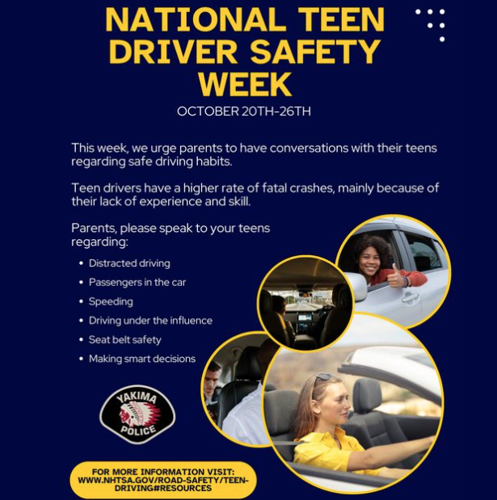
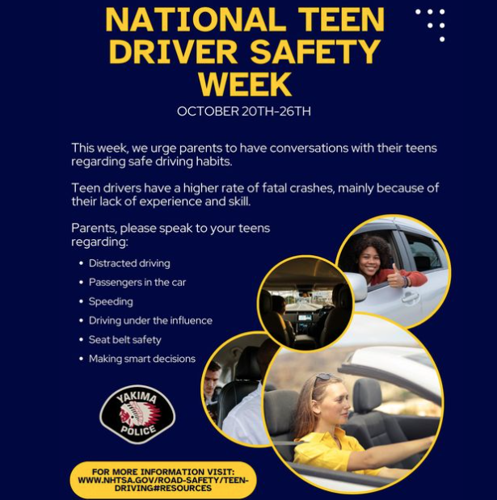
Arizona Teen Driver Safety Tips That Work
Every summer, as the sun blazes high above Arizona’s sprawling highways, families eagerly anticipate beach days, first jobs, and long-awaited road trips. Yet, behind the promise of adventure lies a hidden danger that continues to haunt our roads—the alarming rate of teen driving crashes during the July 4 holiday period. As an attorney who has seen firsthand the tragic outcomes of these incidents, I believe it is imperative for parents and guardians to take the lead in ensuring that our young drivers stay safe.
July 4 is notorious as one of the 100 deadliest days for teens behind the wheel, a statistic backed by AAA and other safety organizations. The period extending through Labor Day sees a surge in fatal crashes involving teen drivers, making it a time of heightened risk. Our Arizona roads, with their long stretches of open highway and unpredictable urban driving conditions, can transform a simple drive into a nerve-wracking experience if proper precautions are not taken.
Preventive Measures to Keep Teen Drivers Safe
Preventing tragedies on our roads is not just the responsibility of law enforcement or state agencies—it all begins at home. It is crucial for parents to implement preventive measures that reduce the likelihood of accidents involving teen drivers. These measures encompass everything from setting clear rules to practicing defensive driving techniques together.
Here are some key strategies that parents can use to assist their teens in steering through the tricky parts of driving:
- Establish Clear Rules: Draft a written agreement using free templates available from trusted sources. This contract should clearly outline the rules and consequences related to speeding, texting, and other risky behaviors.
- Practice Regular Driving Sessions: Make the rules tangible by coaching your teen on the road. Point out potential hazards and share tips on how to steer through busy intersections, rural roads, and highway merges.
- Reward Good Behavior: When your teen adheres to the rules and demonstrates safe driving practices, positive reinforcement can be key. Rewards need not be extravagant—a simple acknowledgment can make a big difference.
- Set a Good Example: Teens learn by watching. If you model careful driving behavior—no texting, no aggressive maneuvers—they are much more likely to follow suit.
Taking these small, yet significant, steps can go a long way toward transforming daunting driving experiences into safe, confidence-building adventures for our young drivers.
The Impact of Distracted Driving on Arizona Roads
Distracted driving is one of the most common factors contributing to teen crashes in Arizona. With the prevalence of smartphones and constant connectivity, the temptation to text, scroll, or even fiddle with a GPS can have devastating consequences.
Recent statistics have shown that nearly 6 in 10 teen crashes involve some form of distraction. Despite the widespread understanding of this problem, many teens still underestimate how quickly a momentary lapse in focus can lead to a fatal mistake. The bright glow of a phone screen, the allure of social media notifications, and the pressure to multitask can cause even the most careful teen driver to lose focus during the most critical moments.
It is essential to understand that distracted driving is not just about texting while driving. It includes any activity that diverts attention from the road. This can involve:
- Adjusting the radio or audio settings
- Engaging in conversations with passengers that pull focus from the task at hand
- Gazing at roadside billboards or visual distractions
- Interacting with in-car navigational systems or infotainment units
When parents and teens work together to eliminate these distractions, they reduce the chance of head-on collisions and other dangerous mishaps that too often come with the teen driving experience.
Effective Parental Guidance for Teen Driving Safety
While teen drivers are tasked with handling the day’s challenges behind the wheel, their success largely depends on the guidance provided by their parents or guardians. Parental guidance is the bedrock upon which safe driving habits are built, particularly during times of heightened risk like the summer and holiday seasons.
Parents need to be proactive rather than reactive. It is far preferable to discuss driving hazards and safety strategies before a minor mishap occurs. Here are several ways in which parents can be effective mentors:
- Hold Regular Discussions: Do not wait until a serious accident occurs to talk about the risks of speeding or distracted driving. Regular dialogue can make a lasting impression and help teens internalize the importance of safe driving practices.
- Set a Reputable Example: Demonstrating responsible on-road behavior is critical. Your teen will quickly pick up on your habits—whether you choose to adhere to speed limits or refrain from using your phone while driving.
- Establish Consequences: Clearly articulate the results of not following the agreed-upon rules. Whether it is the suspension of driving privileges or other tangible consequences, consistency is key.
- Involve Them in Decision-Making: Empower your teen by letting them have a say in the formulation of rules. This collaborative approach encourages a sense of mutual respect and personal responsibility.
This type of hands-on involvement can fundamentally change the way teen drivers approach the task of navigating busy roads filled with twists and turns that are sometimes confusing or downright intimidating.
Risks Associated with Underage and Inexperienced Driving
Arizona, as a state, ranks 15th worst in the nation for dangerous teen drivers based on trends like underage drinking, not buckling up, and reckless driving. The statistics are more than mere numbers—they represent real families whose lives have been irreversibly altered by each preventable accident.
The 2023 Arizona Crash Facts Summary from the Arizona Department of Transportation reveals that a staggering 5,419 drivers between the ages of 15 and 19 were injured in motor vehicle crashes, resulting in 76 deaths. Moreover, between 2019 and 2023, 540 drivers aged 15 to 24 lost their lives in crashes. Each number here is a painful reminder of the high stakes involved.
Inexperienced drivers, by the very nature of their youth, often face challenges in gauging speed, reacting to sudden changes in traffic, or fully comprehending the heavy responsibility that comes with operating a vehicle. Some of the key difficulties include:
- Misjudging Speed: Young drivers tend to overestimate their ability to control speeding vehicles and underestimate the need to adjust their speed to suit road conditions.
- Inadequate Hazard Perception: Without enough practice, many teens find it difficult to spot and react to road hazards, which can be both small in detail and critical in nature.
- Peer Pressure: The influence of friends and the desire to seem cool or adventurous behind the wheel can lead to risky behavior, such as unnecessary speeding or not buckling up.
Understanding these challenging bits of teen driving behavior is the first step towards implementing more effective safety measures. Addressing these issues with empathy and consistency can significantly reduce the likelihood of tragic outcomes on our roads.
Understanding the Risks of Speeding Among Teen Drivers
Speeding is another significant contributor to teen driver fatalities and injuries. More than one-third of fatal crashes involving drivers aged 15 to 18 in 2023 were linked, in part, to excessive speed. Speeding not only undermines the ability to steer through the twists and turns of the road but also magnifies the consequences of any mistake.
What many teens fail to understand is that even a slight increase in speed can dramatically reduce the time available to react to obstacles or sudden changes in traffic patterns. Some of the risks associated with speeding include:
- Reduced Reaction Time: Higher speeds mean that drivers have less time to respond to unforeseen hazards, making it much more difficult to avoid collisions.
- Increased Stopping Distance: As speed increases, the distance needed to bring the vehicle to a complete stop grows exponentially.
- Greater Impact Forces: In the event of a crash, the impact force is significantly higher, which can turn minor collisions into life-altering events.
It is essential for parents to communicate that safe driving is not merely about obeying speed limits, but also about understanding the potential consequences of every speeding infraction. When teens grasp the super important nature of maintaining a safe speed, they are more likely to follow suit under all conditions.
Key Defensive Driving Techniques for Teen Drivers
One of the most practical ways to reduce the risk associated with teen driving is to master defensive driving techniques. These techniques are not off-putting steps imposed by regulatory bodies but rather practical and easily adoptable skills that can transform a dangerous driving situation into a manageable one.
Some actionable defensive driving tips include:
- Keep a Safe Following Distance: Always maintain enough space between your vehicle and the one in front to allow ample time to react if necessary.
- Be Aware of Your Surroundings: Constant vigilance is essential. Regularly check mirrors and be mindful of traffic conditions as well as the behavior of other road users.
- Anticipate Other Drivers’ Actions: When possible, try to predict the moves of other drivers. This proactive approach can help in finding your way through unexpected changes on the road.
- Avoid Blind Spots: Knowing the hidden complexities of your car’s blind spots can help you to avoid surprises when merging or changing lanes.
Engaging in these practices not only builds confidence but also gradually assists teen drivers in figuring a path through the nerve-racking conditions they might face daily. Consistent practice with these techniques can instill habits that persist into adulthood.
Creating a Written Driving Agreement for Your Teen
One of the most straightforward yet effective measures that parents can take is to create a written driving agreement with their teen. This document acts as a contract that spells out the rules, expectations, and consequences associated with driving. It serves as a reminder every time your teen gets behind the wheel and reinforces the idea that driving is a serious responsibility.
This written agreement can include provisions such as:
- Speed Limits: Clearly define the maximum speed allowed under various conditions.
- No Phone Policy: Mandate a strict rule against texting or phone use while driving.
- Curfew Times: Include specific hours during which driving is permitted.
- Passenger Limits: Specify the number of passengers allowed in the vehicle to minimize distractions.
Using free templates provided by organizations like AAA, parents can tailor these agreements to address the little twists of driving in Arizona. While every family’s circumstances may differ, the common denominator remains the necessity of fostering a safe driving environment that leaves no room for dangerous behavior.
How Peer Pressure and Social Influences Affect Teen Driving
Teen drivers are not merely influenced by their own decisions but are also strongly affected by their peers and social circles. Peer pressure and the desire to fit in or appear skilled behind the wheel can lead to risky behaviors like speeding, taking unnecessary risks, or engaging in distracted driving. These subtle details, often overlooked, can accumulate over time to create a pattern of dangerous driving behavior.
To counteract these influences, it is important for parents to have open discussions with their teenagers about the societal expectations and pressures that come with driving. Consider addressing questions such as:
- How does peer pressure influence your driving decisions?
- Why is it more important to arrive safely than to make an impression?
- What strategies can be implemented to avoid getting caught up in reckless driving behaviors?
These conversations are not meant to be off-putting lectures but rather practical discussions that empower teens to make smart choices even when their friends might be encouraging less safe behavior. Reinforcing the idea that safety always trumps cheap thrills is key to curbing the negative influence of peer pressure.
Impact of Parental Behavior on Teen Driving Attitudes
It is widely recognized that teens learn a great deal by watching their parents. When a parent engages in distracted driving, speeds, or violates traffic rules, the teen driver is very likely to imitate this behavior. As a parent, fostering an environment of safe driving is as much about your behavior as it is about setting rules for your teen.
Some of the key aspects of parental behavior that can have a significant impact on teen driving include:
- Modeling Patience: Showing calmness in stressful driving situations teaches a teen to adopt a similar approach.
- Respecting Traffic Laws: Consistently adhering to speed limits and traffic signals reinforces the idea that rules exist for a reason, not merely as suggestions.
- Displaying Accountability: When parents acknowledge mistakes they have made on the road and work to correct them, it demonstrates that driving is an ongoing learning process.
It is essential to stress that the role of a parent is that of a coach—someone who guides rather than dictates. Encouraging teens to ask questions about why certain behaviors are dangerous helps them to get into the finer details of safe driving habits that might otherwise be overlooked.
Building a Culture of Responsible Driving in Arizona
Creating long-lasting change on the roads requires efforts that extend beyond individual families or isolated communities. It calls for a cultural shift in how driving is perceived and practiced across Arizona. By fostering a culture of responsible driving early on, we can gradually reduce the number of teen driving accidents and save countless lives.
Here are a few proactive steps that communities can take to build this culture:
- Community Workshops: Organize local events where traffic safety experts and law enforcement provide hands-on training and share practical tips with teens and their parents.
- School Programs: Encourage schools to integrate defensive driving courses and safety seminars into their curriculum to reinforce safe driving habits among students.
- Partnerships with Law Enforcement: Building robust partnerships between local law enforcement agencies and community bodies can help in sharing the responsibility for teen driver safety.
- Public Campaigns: Launching awareness campaigns using social media, local news channels, and community centers can extend the message of safety beyond the family unit to the broader population.
Collectively, these community-based efforts can complement the home-based strategies, ensuring a comprehensive approach to reducing teen driving fatalities across the state. The collective responsibility—from the family to the public domain—is the strongest tool we have against the tide of unnecessary tragedy on our roads.
Summer Dangers: How to Avoid Tragic Mistakes on Holiday Roads
Summer should ideally be a season of carefree adventures—filled with laughter, new experiences, and memorable family outings. Unfortunately, for many families, it ends in heartbreak when a preventable driving accident shatters lives and futures. The increased hazards during peak travel periods like July 4 and the return-to-school season are a stark reminder that time is of the essence when it comes to sparing our young drivers from harm.
In the hustle and bustle surrounding holiday celebrations, some factors often amplify the risks on the road:
- Increased Traffic: Busy roadways mean more potential conflicts and less room for error.
- Limited Nighttime Visibility: Darkness combined with festive celebrations can reduce a teen’s ability to spot hazards.
- Fatigue and Overstimulation: Both the driver and passengers might be exhausted or overly excited, affecting concentration and responsiveness.
- Alcohol and Impaired Driving: Although underage drinking remains a challenge in itself, it adds another dangerous layer during holiday times.
Parents must plan ahead for these risks by scheduling regular discussions about responsible driving, particularly as the holiday season approaches. Emphasizing the importance of sober, focused driving can mean the difference between life and death. It is essential that every teen learns how to avoid the pitfalls of holiday traffic and emerges from the season without injury or loss, embracing the summer for future adventures.
Understanding the Hidden Complexities of Teen Driving Laws in Arizona
Arizona’s traffic laws, particularly those that pertain to teen drivers, are full of tangled issues that require careful dissection. While these laws are designed to protect new drivers and reduce accidents, they come with fine points that can sometimes be confusing and seem overwhelming to expect a teenager to master overnight.
Some of these tricky parts include:
- Graduated Licensing Requirements: While designed to gradually build driving skills, the multiple stages of the licensing process can be intimidating and require patience from both parents and teens.
- Restrictions on Passenger Numbers: Laws that limit the number of passengers in the vehicle are intended to reduce distractions. However, teens may not understand the hidden complexities behind these provisions and the reasons they exist.
- Curfew Laws: Teen curfews are another area filled with fine shades that contribute to safer driving but can be met with resistance from young drivers who are eager for independence.
By getting into the nitty-gritty of these rules with a calm and instructive approach, parents can help their teens figure a path through the maze of legal requirements. This not only equips them with the knowledge to abide by the law but also instills a deeper respect for the responsibilities that come with driving.
Strategies for Working Through Tangled Issues with Teen Drivers
Managing the driving habits of a teen involves not only setting expectations but also working through the nerve-racking challenges that come with their inexperience. The role of a parent is to highlight practical solutions when the busy, complicated pieces of driving safety seem overwhelming.
Here are strategies parents can implement to work through these issues effectively:
- Regular Check-Ins: Establish routine times to review safe driving practices. Periodic refresher courses or discussions can reinforce key points and correct any missteps.
- Technology as an Ally: Use apps or dashboard cameras that provide feedback on a teen’s driving behavior. This technology serves both as a deterrent for risky practices and a learning tool.
- Role-Playing Scenarios: Simulate driving situations at home or during low-traffic conditions to help teens practice responding to sudden obstacles without the high stakes of real-world driving.
- Discuss Real-Life Cases: Sometimes, news stories of teen driving accidents can serve as powerful teaching moments. Discuss these stories to underline the consequences of not following safety rules.
These methods are designed not merely to instruct but to engage and empower teen drivers to take ownership of their safety. By routinely addressing the challenges and providing practical guidance, parents can help their children build a robust foundation for responsible driving.
Creating a Safe Space for Teen Drivers to Learn and Grow
Every teen driver deserves a safe environment where they can learn the ropes without the looming threat of heavy consequences for every minor mistake. Creating such an atmosphere at home helps reduce anxiety and permits the gradual acquisition of advanced driving skills. It makes the process of learning to drive less intimidating and more of a shared journey between parents and children.
Simple adjustments in approach can yield significant benefits:
- Positive Reinforcement: Notice and celebrate improvements in driving behavior. Whether it’s safely merging on a busy highway or managing distractions effectively, every bit of progress deserves acknowledgment.
- Open Communication: Maintain a dialogue where the teen feels comfortable discussing any challenges encountered on the road. A non-judgmental, supportive conversation can often reveal hidden issues that need attention.
- Practicing Patience: Recognize that skill and confidence take time to build. Allow your teen the space to familiarize themselves with the unpredictable traffic environments without excessive pressure.
This supportive atmosphere not only smooths over the intimidating moments in learning but also reinforces that safety is everyone’s responsibility—starting at home.
Policy and Community Engagement: A Joint Responsibility
While parental efforts are critical, they are only one piece of the puzzle in reducing teen driving fatalities. Policy makers, community leaders, and local law enforcement must all collaborate to create a comprehensive safety net for young drivers. Advocacy for stricter enforcement of traffic rules, enhanced driver education programs, and community awareness initiatives is super important to build a safer driving culture for future generations.
A few key actions that the community and policymakers can consider include:
| Initiative | Description |
|---|---|
| Enhanced Driver Education | Providing advanced driver training programs that focus on defensive driving and hazard anticipation. |
| Stricter Enforcement | Implementing zero-tolerance policies for distracted driving and speeding, particularly among teen drivers. |
| Public Awareness Campaigns | Launching comprehensive campaigns to educate the public about the real-life consequences of risky driving habits. |
| Community Workshops | Organizing local workshops involving parents, teens, and traffic safety experts to share practical tips and experiences. |
By combining these efforts with home-based initiatives, we can create a robust support system that benefits teen drivers on multiple fronts. The state’s role in ensuring the safety of its younger drivers through legislative and community-based initiatives is as crucial as the individual actions taken by parents.
Taking a Closer Look at the Responsibility of Arizona Parents
As the statistics on teen driving crashes and fatalities continue to climb, one thing is clear: Arizona parents hold the key to drastically reducing preventable tragedies on our highways. Every parent has the power to influence their teen’s driving habits through clear communication, setting firm rules, and providing consistent reinforcement of safe behavior.
This responsibility, while it may sometimes feel overwhelming, is not meant to be an isolated task. It is a shared endeavor, one that involves ongoing education, practical demonstration, and reinforcing safe driving culture both at home and within the wider community. There is no room for complacency when it comes to the safety of our future drivers.
Parents must remember that every minute spent discussing safety, reviewing behaviors, and praising improvements is an investment in keeping their teen safe. Young drivers learn quickly by seeing the example set by their guardians. The habits they develop now will echo throughout their lifetime, influencing not only their own safety but that of every other road user they encounter.
Addressing the Fine Points of Teen Driver Safety During the Summer
The summer season in Arizona offers a unique blend of freedom and risk. The freedom to explore and enjoy long holidays comes hand in hand with the elevated risk factors associated with busy roads and unpredictable traffic environments. Understanding and addressing the fine points of safe driving during these months can help prevent the rapid escalation of small lapses into irreversible tragedies.
Particular focus should be placed on the following areas during summer driving:
- Fatigue: Long hours on the road can lead to drowsiness. Ensure that driving schedules allow for ample rest and that teens understand the dangers of driving when tired.
- Adverse Weather Conditions: Even in sunny Arizona, sudden weather changes can occur. Teach teens to adjust driving behavior according to weather conditions.
- Increased Distractions: The excitement of summer activities often leads to more passengers, more interactions, and a higher likelihood of distractions. Setting clear rules about passenger behavior is crucial.
Parents who reinforce these points can truly help their teens find their way through the nerve-racking aspects of summer driving. Regular check-ins and practical, hands-on coaching sessions work wonders in reinforcing these safer habits.
Looking Ahead: The Future of Teen Driver Safety in Arizona
In conclusion, the challenge of keeping our teen drivers safe during high-risk periods such as the summer holidays is both real and pressing. As Arizona continues to navigate road safety challenges, the role of parents remains unparalleled. By setting firm rules, leading by example, and engaging in consistent dialogue, families can significantly alter the course of what might otherwise be a series of tragic accidents.
Moving forward, both community-wide initiatives and individual efforts at home will shape the future of teen driver safety in Arizona. Innovations in technology, improvements in driver education, and more robust public policy will undoubtedly support these endeavors. But at the heart of all progress lies the unwavering commitment of parents who choose to invest in a safer future for their children.
If we, as a community, work together—parents, educators, lawmakers, and law enforcement—we can transform our roads into safe spaces where every journey is one of enjoyment rather than trepidation. Each safe drive is a victory, each conversation about safety a step toward significantly reducing the statistics of teen-fatalities on our highways.
Ultimately, the key lies in recognizing that driving is not just a mode of transportation—it is a responsibility that carries enormous consequences. With proper precautions, ongoing guidance, and mutual accountability, we can ensure that every summer, and every holiday, remains a time of joy rather than sorrow. Let this be a call to action for all Arizona parents: the time to work through and manage your child’s driving habits is now, before the next crisis strikes.
In our shared pursuit of a safer future, it is essential to take these measures seriously and continuously evaluate the effectiveness of our strategies. The road ahead might have its tangled issues and nerve-racking moments, but by working together, we can steer through them and safeguard the lives of our young drivers. The responsibility is heavy, but it is a challenge we must embrace for the well-being of our families and communities alike.
Every conversation, every corrected behavior, and every respectful nod to established safety rules is a testament to our collective commitment to preserving life on the road. Let us reaffirm that safety is super important, not only during the July 4 holiday but every day that our teens take the wheel. It is a commitment that must be renewed with every journey and every milestone in their driving career.
Parents, mentors, and community leaders—your influence shapes the next generation of drivers. By fostering an environment that is both nurturing and strictly adherent to safety protocols, you play an irreplaceable role in building a culture where teen driving risks are minimized. In doing so, you not only protect your children but also contribute to a legacy of safer roads for all Arizonans.
Originally Post From https://yourvalley.net/stories/july-4-can-be-deadly-for-teen-drivers-arizona-parents-hold-the-key,594384
Read more about this topic at
Talking to Teens About Tragic Events
Preventing Youth Violence