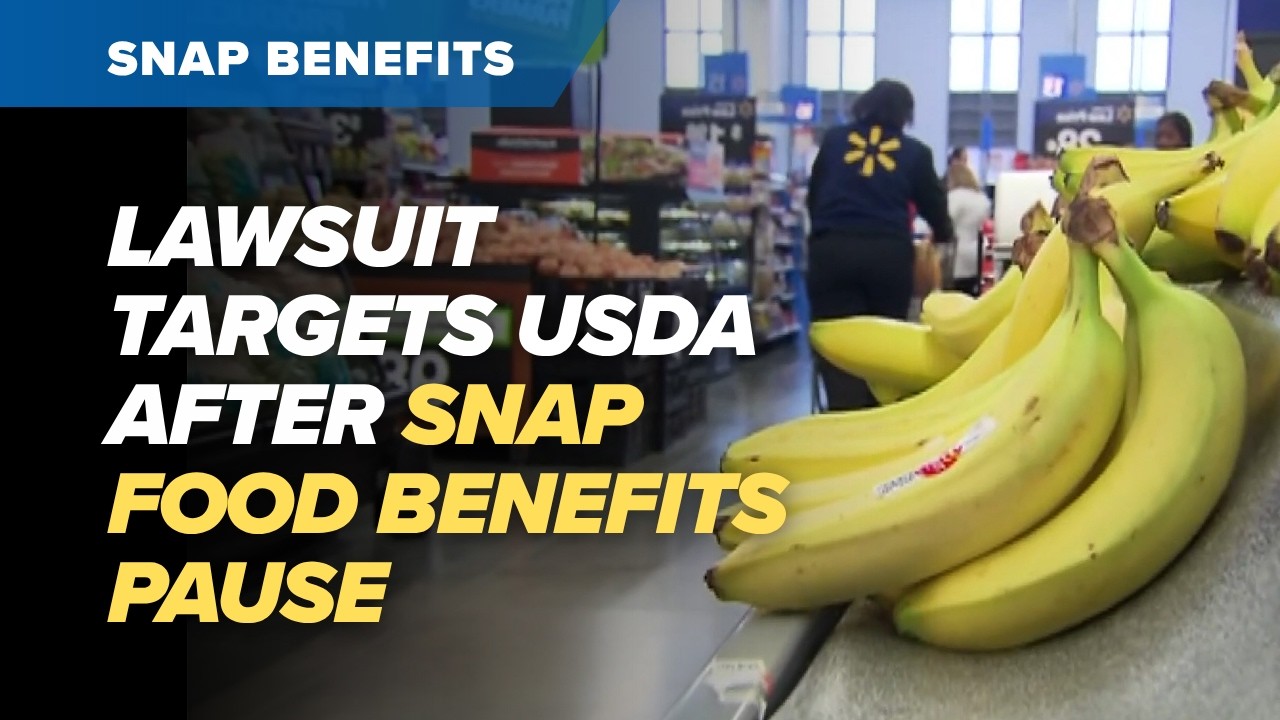

State Lawsuits and the Federal SNAP Pause: A Legal Opinion
The recent action by 25 states and the District of Columbia to sue the federal administration over the temporary halt of SNAP benefits has raised many questions about federal responsibility, the rights of vulnerable populations, and the balance between state and central government. In this opinion editorial, we unpack the tangled issues involved in this legal battle and explore the implications of government inaction for families who rely on these essential supports.
In recent weeks, with the news making headlines, Arizona Attorney General Kris Mayes confirmed that multiple states have taken legal action against the Trump administration for pausing SNAP (Supplemental Nutrition Assistance Program) benefits. In this editorial, we take a closer look at the situation, the legal arguments being raised, and the potential outcomes that could reshape federal assistance programs across the nation. Our analysis digs into the fine points of these proceedings while endeavoring to offer a balanced perspective on both the legal and social ramifications.
Understanding the Federal Funding Pause
The decision to hold SNAP benefits comes at a time when the country is already facing significant political and economic tension. The pause has sparked heated debates over whether government officials have the authority to interfere with the day-to-day distribution of food assistance programs during periods of unstable federal funding.
For many families, these benefits are not merely a line item in a budget; they are a lifeline—a critical tool to ensure that children and adults alike do not go hungry. The issue presents numerous tricky parts and twisted nuances about federal responsibility and state obligations. The legal challenge highlights how stopping financial aid on such short notice could be seen as an off-putting measure that jeopardizes the safety net system.
Why Stopping SNAP Benefits is More Than an Administrative Hiccup
One of the key arguments put forward by the states is that pausing SNAP benefits is not simply an administrative delay but a measure that has far-reaching economic and human consequences. When a government program designed to supply meals to millions of low-income families is halted, everyday people immediately feel the blow.
Critics stress that the decision to pause SNAP benefits is filled with problems, not only for those who rely on this assistance, but also for the broader economy. The pause is seen as a premature attempt to address budgetary concerns at the cost of hurting those in need. The legal challenges are, in effect, an attempt to ensure that no citizen is left without necessary support during periods of federal uncertainty.
The Legal Foundations: Examining the Court Arguments
At the heart of the lawsuit are arguments that claim the federal government has overstepped its bounds, tripping over the fine points of statutory duties that are detailed in federal legislation governing SNAP. The states contend that by pausing these benefits, the Trump administration is failing to adhere to legally mandated protocols regarding the disbursement of critical support.
In legal circles, there is broad consensus that the case involves several subtle parts and complicated pieces of statutory interpretation. Some legal experts argue that the federal administration’s decision might be contrary to congressional intent, as Congress has historically ensured that government assistance continues during periods of funding instability. Critics worry that if this decision is upheld, it could set a precedent that allows central authorities to disrupt long-standing safety net programs whenever political or budgetary pressures mount.
The Ripple Effects of a Government Shutdown
The pause of SNAP benefits is just one facet of a broader crisis, where government shutdowns or delays in federal funding have become nerve-rackingly common. When lawmakers are unable to agree on spending bills, the consequences stretch far beyond bureaucratic gridlock—touching every corner of American society.
For example, several states have reported that the looming federal shutdown has led to increased demand on emergency services, food banks, and other safety-net programs. In the absence of regular funding for entities like SNAP, states fear that vulnerable citizens will have to cope with increased hardship, a scenario that many see as completely avoidable if proper federal processes had been followed.
State-Level Impact and Public Perception
Within the states suing the federal government, the sentiment among residents is mixed. Many community members appreciate the decision to take legal action on behalf of families who would lose critical food support. For these citizens, the lawsuit represents hope—a promise that state governments will stand up when the federal system appears to falter.
At the same time, there are some who feel that such legal challenges might lead to further political polarization. Critics argue that litigation over government benefits might be used as a political tool, diverting attention from the pressing economic concerns faced by millions of Americans. This divergence in views has led to a wide-ranging discussion about the appropriate balance between pursuing legal recourse and enacting legislative solutions to avoid future disruptions.
Legal Grounds and the Road Ahead
There are several critical legal arguments being advanced by the states. Below are some of the key points that have been raised, which deserve a closer look:
- Violation of Statutory Duties: The states argue that the federal government is required by law to administer SNAP without interruption, regardless of broader budgetary challenges.
- Failure to Adhere to Congressional Intent: Many believe that Congress intended for SNAP to be shielded from potential funding delays so as to avoid unintended hardships on families.
- Disproportionate Impact on Vulnerable Populations: The pause could place low-income families and seniors—in addition to children—in increasingly dangerous financial situations, which may contravene constitutional principles protecting citizens from governmental neglect.
- Precedent for Future Federal Action: The outcome of this lawsuit could influence how future administrations handle funding lapses, potentially opening the door for further interruptions to federal benefits.
A table summarizing these claims is provided below:
| Legal Argument | Key Points |
|---|---|
| Violation of Statutory Duties | Mandated continuity of SNAP; failure to follow legal protocols |
| Failure to Adhere to Congressional Intent | Congress’s clear designation for uninterrupted assistance; legal duty of care |
| Disproportionate Impact on Vulnerable Populations | Negatively affects low-income families, seniors, and children; potential human rights issues |
| Setting a Precedent for Future Federal Action | Risk of normalizing interruptions during political or budgetary crises |
Financial Insecurity and the Legal System
The interconnectedness of federal policy and individual well-being is never more apparent than in cases such as this. The pause in SNAP benefits strikes at the very heart of economic justice and fair access to resources. In making the decision to file lawsuits, the states are engaging in a balance of power struggle aimed at ensuring that financial support systems remain intact—even when central government decisions become overwhelming or, at times, intimidating.
For those unfamiliar with the nitty-gritty of government programs, here are some factors that illustrate the current state of financial insecurity and legal vulnerability:
- Economic Hardship: Families who rely on SNAP benefits often have little to no financial buffer, meaning that even a short pause can lead to food insecurity and increased debt.
- Political Polarization: Disagreements over government spending intensify during periods of federal shutdown, and the resulting debates can polarize public opinion on what is best for safety net programs.
- Legal Ambiguity: The decision to pause benefits sits at a crossroads between executive discretion and legislative mandate, leaving many legal experts divided over the correct interpretation of the law.
- Precedent Setting: How the courts decide this case could have long-lasting implications not only for SNAP but for other federal programs as well.
Each of these points underscores why the legal system has become a battleground for resolving such politically charged issues. As the lawsuits move forward, the courts may be required to address these subtle details—whether the federal government is allowed to exercise its power in ways that might inadvertently jeopardize the economic well-being of millions.
History of Federal Assistance and Legal Precedents
This latest legal action is not isolated—similar disputes have arisen throughout the history of federal assistance programs. During previous contentious moments, such as government shutdowns in the early 21st century, other forms of federal aid have faced interruptions. These earlier incidents offer valuable insights into the present situation. While the facts and circumstances differ, the overarching themes remain consistent: the government’s responsibility to provide for its citizens and the legal challenges that ensue when it fails to do so.
Historically, courts have had to determine whether federal agencies have strayed from their statutory duties. In many cases, judicial decisions have reinforced the idea that certain fundamental rights—such as the right to food and shelter—cannot be suspended due to political standoffs. However, not every legal challenge has resulted in a sweeping victory for plaintiffs. The outcomes have often depended on the specific language of the statutes in question and the subtle parts of how Congress intended the laws to operate.
A Look at Past Legal Disputes
To better appreciate the current legal debate, it is useful to review some past disputes that share similarities with the ongoing SNAP benefits case:
- The 2013 Government Shutdown: When a funding impasse led to a halt in many federal operations, numerous lawsuits emerged arguing that the disruption of government services was not only inconvenient but also legally questionable.
- Medicaid and Medicare Funding Cases: Disputes regarding the allocation of federal funds for health care have repeatedly brought attention to the responsibilities of the executive branch. In these cases, judges examined the offset between budgetary concerns and citizens’ reliance on federally guaranteed benefits.
- Disputes Over Disaster Relief: Following major natural disasters, statutes have been scrutinized to determine whether the federal government met its legal obligations to provide emergency financial and logistical support.
Each of these examples shows that legal interpretations often hinge on the delicate balance between executive discretion and the little twists enshrined in congressional funding decisions. The current lawsuit is set to add another chapter to this ongoing legal saga, which continually reshapes our understanding of federal authority and accountability.
Political Considerations in the Legal Arena
It is important to note that legal battles like the SNAP benefits pause lawsuit do not occur in a vacuum. The broader political landscape significantly influences how these cases are argued and decided. When states choose to sue the federal government, they are not only making a legal statement—they are also engaging in a form of political advocacy.
For many state officials, the lawsuit is about setting a clear message: the federal government must honor its commitments to citizens regardless of the prevailing political winds. The legal arguments filed by these states attempt to expose the confusing bits and nerve-racking decisions that have put millions of residents at risk. In doing so, they tap into a large reservoir of public distrust that many Americans have toward what they see as disconnected federal policymaking.
Political advocates on both sides of the issue present their own interpretations of the situation:
- Proponents of Continued Benefits: They argue that the SNAP program should be insulated from fiscal debates and that any interruption could potentially cause societal harm that far outweighs temporary budgetary concerns.
- Supporters of Fiscal Conservatism: Some believe that the pause is an example of responsible budgeting and that it might eventually force lawmakers to address inefficiencies in federal spending. To them, such steps, while uncomfortable, are necessary for long-term fiscal health.
By understanding these perspectives, one can appreciate why the legal dispute is so loaded with issues. It is a classic collision between humanitarian concerns and principles of fiscal responsibility—a debate that has persisted through many political cycles in American history.
Economic Justice: Protecting the Vulnerable Amid Political Tensions
One cannot overlook the core human dimension when discussing SNAP benefits. At its heart, this program is about economic justice—a promise that in a nation built on fairness, every citizen is entitled to basic sustenance. When the food assistance is paused, it is more than just an administrative decision; it directly affects people’s lives.
The following bullet points capture the essential economic issues at stake:
- Immediate Financial Distress: Families who rely on SNAP benefits have little margin for error. A sudden stop in support means that even minor hiccups in their budget can lead to food insecurity.
- Long-Term Consequences: Interrupted benefits can lead to a cascade of negative outcomes, from increased reliance on emergency food banks to a deeper entrenchment in poverty.
- Social and Health Impacts: Food insecurity does not only affect physical health but can also lead to mental health challenges, adding to the overall burden on communities already facing economic hardship.
- Community Strain: The ripple effects extend beyond individual households to the wider community, placing additional pressure on local support systems such as schools, hospitals, and food banks.
In situations where government decisions have a direct impact on the availability of such essential services, legal interventions can serve as a crucial check. They remind policymakers that the well-being of citizens should remain a key priority, even in the midst of political turbulence.
Federal Accountability and the Role of the Courts
The current lawsuits bring up important questions about federal accountability. Courts have historically played a key role in ensuring that government agencies adhere to the mandates set out by Congress. When decisions such as pausing SNAP benefits come into question, the judicial branch may be called upon to evaluate whether the actions taken are within the bounds of the law.
This issue is particularly sensitive, as it forces the courts to weigh the authority of the executive branch against the clear expectations established by legislators. Many legal experts caution that this case could introduce new legal precedents that alter the way federal benefits are managed during periods of uncertainty. As state attorneys general and legal advocates prepare for what may be a lengthy court battle, the following points merit attention:
- Scope of Executive Power: This case forces a reconsideration of the limits of executive discretion when it comes to managing federally funded assistance programs.
- Judicial Oversight: The role of the judiciary in overseeing administrative actions is critical, especially when those actions affect millions of lives.
- Interpretation of Legislative Mandates: Congressional intent remains a critical factor in evaluating whether the administration has strayed from its statutory responsibilities.
- Future Implications: Any decision reached by the courts will likely have a lasting influence on how similar programs are administered in the future, affecting not just SNAP, but potentially other federal benefits as well.
The table below summarizes the potential judicial considerations:
| Court Consideration | Implication |
|---|---|
| Scope of Executive Authority | Limits on how far the President can alter federally mandated programs |
| Adherence to Statutory Provisions | Ensuring that the administration follows the literal and intended meaning of Congressional law |
| Protection of Individual Rights | Safeguarding vulnerable populations against abrupt policy changes |
| Setting Precedents | Establishing guidelines for how future funding crises should be managed legally |
This judicial review will be closely watched, as a decision in favor of the states may embolden further legal challenges against any future attempts by the federal government to unilaterally alter critical assistance programs.
Policy Shifts and What They Mean for the Future
Beyond the immediate legal implications, the lawsuits have ignited discussions about broader policy shifts. Although some view the pause as a necessary, albeit tough, measure to address budgetary concerns, many policymakers and community leaders argue that there are better ways to manage federal funding without jeopardizing the lives of vulnerable families.
Some of the policy changes that emerge from this debate include:
- Reassessing Funding Mechanisms: Lawmakers may need to explore alternate funding streams or reserve funds to ensure that essential programs like SNAP are not disrupted by temporary budget delays.
- Enforcing Legal Guarantees: There may be calls for clearer legal guidelines that prevent the arbitrary pausing of benefits, ensuring that the rights of beneficiaries are legally protected.
- Improving Intergovernmental Coordination: The tension between state and federal governments might prompt enhanced communication strategies, ensuring that states are better informed and prepared for potential delays in federal funding.
- Long-Term Legislative Reforms: Ongoing debates may spur comprehensive reforms in how government assistance programs are structured, with a view to safeguarding such programs from short-term political maneuvers.
By pressing for these changes, state officials and legal advocates are not just reacting to a single incident—they are taking proactive steps to eliminate the confusing bits and tangled issues that have plagued federal budgeting for years. Legislative reform in this area could help create a more resilient system, capable of withstanding political and economic upheaval without endangering the most vulnerable citizens.
Impact on the Public and Community Trust
In any debate regarding government benefits, public perception plays a critical role. When states file lawsuits against the federal government, it sends a resonant message that the ruling authorities are being held accountable. Public trust in both state and federal institutions is tested in these moments of crisis.
For everyday citizens, the legal battles unfolding in court are more than abstract arguments—they represent the struggle for fairness and the safety net that many have come to rely on. The loss of SNAP benefits, even temporarily, can feel like a personal setback for those already facing overwhelming challenges. Therefore, citizens are watching closely, not only for the outcome of the lawsuits but for what this means for the reliability and consistency of food assistance programs in the future.
Some community groups have organized public forums and informational sessions to help residents understand the situation. They have compiled bullet lists to explain their concerns, such as:
- What the SNAP pause means for individual households
- How legal challenges can translate into practical changes
- The steps residents can take to secure additional support in times of crisis
These community efforts underscore the super important need for clear communication and transparency from both the government and the courts. By demystifying the courtroom proceedings and legislative debates, officials can help rebuild trust and ensure that citizens feel supported even during periods of federal uncertainty.
Charting a Way Forward: The Intersection of Law and Compassion
The current legal conflict over SNAP benefits is a potent reminder that law and compassion are often deeply intertwined in policymaking. It is not enough to view legislative decisions and legal interpretations solely through a fiscal lens; they have real-world implications that affect families, health outcomes, and community resilience.
Policy makers who work through the tangled issues of federal funding must find a way to reconcile budgetary constraints with the super important need to protect the basic rights of citizens. In a time when economic challenges appear overwhelming for many, the law must serve as a safeguard—a means of ensuring that financial hardship does not spiral into a broader humanitarian crisis.
For those entrusted with making these decisions, the crisis presents an opportunity to think creatively about solutions. Instead of allowing political deadlocks to compromise the integrity of federal support programs, legislators might:
- Introduce mandatory reserve funds exclusively for essential benefits
- Establish clearer statutory guidelines to prevent abrupt interruptions in aid
- Increase collaboration between state and federal authorities to plan for contingencies
Such measures would go a long way in ensuring that even if political disagreements arise, the most vulnerable members of society will not have to bear the brunt of financial instability.
Future Legal Battles: A Prelude to Broader Reform
While the lawsuit regarding the SNAP pause is a focal point now, it may only be the beginning of a broader legal movement aimed at reshaping the relationship between funding decisions and social safety nets. The challenges brought forth by the current case may well serve as a blueprint for addressing similar issues in the future, including disputes over Medicaid, unemployment benefits, and other state-administered federal programs.
From a legal perspective, the decisions made in these cases will influence how government agencies approach funding challenges and respond to political stalemates. As the courts sift through the fine shades of statutory obligations and executive authority, every ruling will either reinforce or reshape the expectations placed on federal programs. In this context, ensuring that legal interpretations safeguard the rights of the populace is of key importance.
By looking into past legal rulings and applying those lessons to contemporary challenges, the judicial system can help create a more predictable, stable framework for the administration of federal benefits. A balanced approach that respects both fiscal responsibility and the super important human dimension is essential if future legal disputes are to be resolved in a way that strengthens rather than undermines public trust.
Conclusion: Balancing Law, Policy, and Humanity
In conclusion, the legal battle initiated by several states and the District of Columbia against the federal government’s decision to pause SNAP benefits is a complex and politically charged issue. It forces us to take a closer look at the little details and confusing bits of federal funding law, and at how a single policy decision can have ripple effects on the lives of millions. Beyond mere legal arguments, this case shines a light on the essential need for a dependable safety net—one that protects vulnerable citizens against the unpredictable twists and turns of political life.
The issues at hand are riddled with tension, from questions of federal accountability to the immediate impacts on economically challenged families. As state attorneys general press forward in the courts, it is clear that the outcome of this lawsuit could set a significant precedent. Whether it results in a reaffirmation of congressional mandates or a reinterpretation of executive authority, it will undoubtedly influence future decisions regarding essential federal programs.
Ultimately, it is a reminder that the law must serve both as a mechanism for fiscal discipline and as a guardian of economic justice. Only through clear rules, collaborative policymaking, and firm judicial oversight can we ensure that programs like SNAP continue to safeguard the well-being of millions. In a country where political standoffs have become common, it is both a legal and moral imperative to make sure that the human cost of such disputes is minimized.
As we watch the legal process unfold, one thing remains clear: protecting the basic rights of citizens requires both a firm legal foundation and a compassionate outlook. Legislators, state officials, and judges alike have a responsibility to figure a path that honors the original intent of federal benefits—to ensure that no American family is left struggling in the wake of political or fiscal uncertainty. The coming months will offer new insights and, hopefully, new solutions that balance law, policy, and humanity for the benefit of all.
Originally Post From https://www.azfamily.com/video/2025/10/28/arizona-2-dozen-other-states-sue-over-snap-benefits-pause/
Read more about this topic at
ABC15 Arizona: Phoenix, Arizona News and Weather
Arizona Digest
