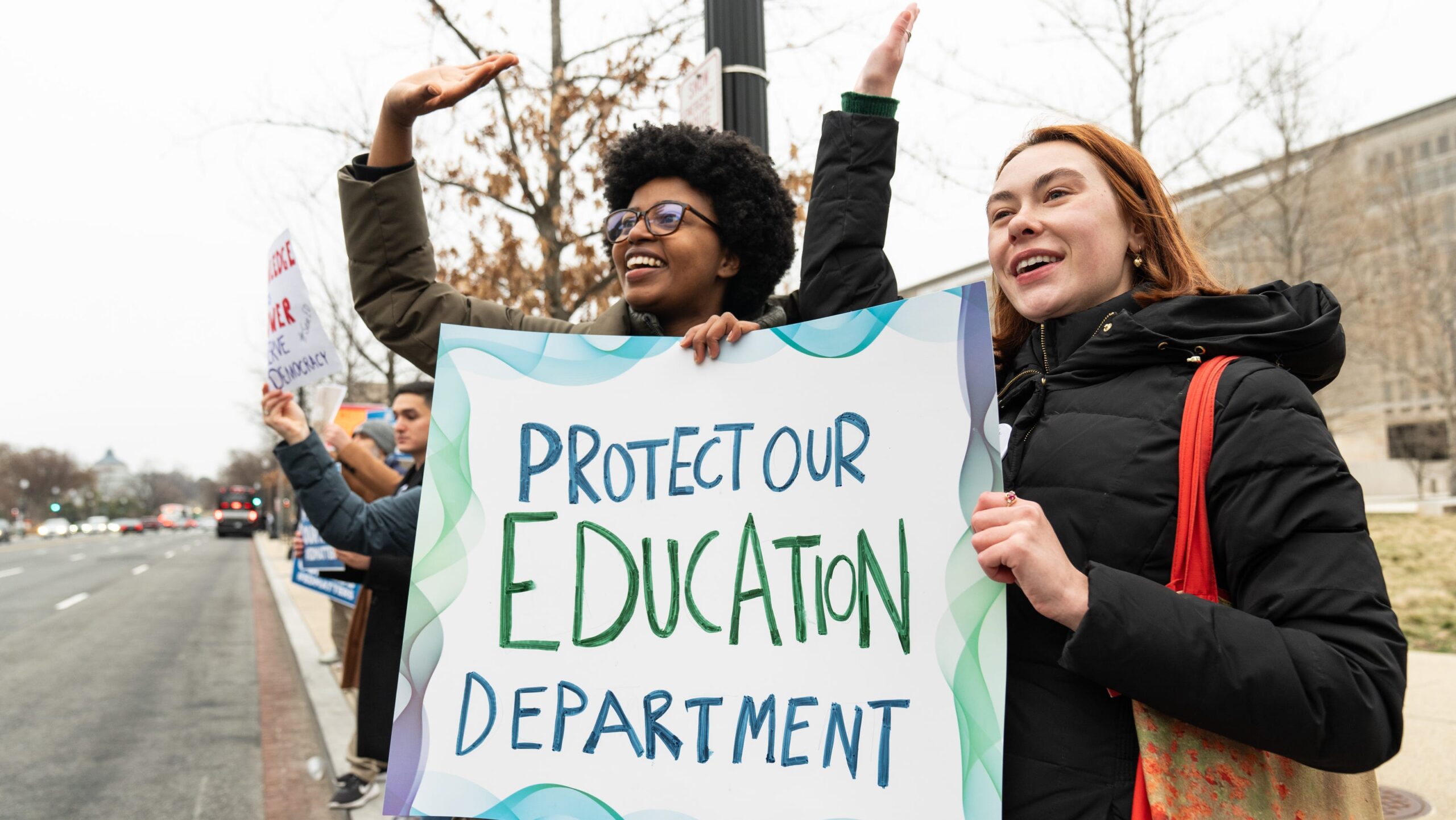

The Uncertain Future of an Overwhelmed Education Department
Recent workforce reductions at the Education Department have sparked a debate that is as tangled in legal questions as it is in the real-world implications for students and educators. In this opinion editorial, we take a closer look at the situation, exploring the effects of massive staff reductions on special education, civil rights, and federal funding—areas that many consider essential to ensuring equal access and opportunity for all students.
The layoffs, which have pared down the department’s workforce to less than half of what existed when the previous administration took office, are stirring concerns among legal advocates, education professionals, and unions alike. With the department facing cuts that target both support services and oversight functions, questions arise as to how it will continue to adhere to its legal obligations under federal law while managing the administration’s broader plan to shift responsibilities to other agencies.
Impact on Special Education: How Staff Cuts Affect Support for Students
One of the most alarming dimensions of these layoffs is their effect on the special education office. Previously staffed by roughly 200 workers dedicated to ensuring compliance with the Individuals with Disabilities Education Act (IDEA), the new cuts threaten to reduce this team to just a handful. This steep decline not only hampers the department’s ability to police the legal provisions for students with disabilities but also raises serious concerns about the ability of the government to safeguard and enforce the rights of these students.
In practical terms, the potential fallout includes:
- Delays in reviewing compliance with special education laws
- Insufficient oversight of state and local education agencies
- Loss of institutional knowledge that is vital for handling acute situations
These shifts risk leaving families in a predicament where the support systems they once counted on are now disappearing. The staff who once navigated the tricky parts of federal guidelines and provided expertise in the law are being dramatically reduced, leaving behind a brittle system unable to handle full-scale legal challenges or emergencies.
Strained Civil Rights Enforcement: Legal and Social Implications
Another domain facing significant strain is civil rights enforcement within schools. The layoffs include unknown numbers of firings at the Office for Civil Rights, an entity responsible for investigating allegations of discrimination in educational institutions. With fewer resources and personnel tasked with ensuring that students’ civil rights are upheld, there is an increased risk of discriminatory practices going unchecked.
Key issues include:
- The potential for delays in investigations
- Reduced guidance on complying with anti-discrimination laws
- A diminished role in holding institutions accountable for inequitable practices
Without a robust team to manage these responsibilities, the enforcement of civil rights laws may encounter additional hurdles, leaving schools to grapple with challenges on their own. The reduced oversight could also lead to an erosion of trust among students and parents who rely on federal oversight to ensure a fair playing field in education.
Analyzing the Legal Framework: The Shifting Responsibilities of the Education Department
The administration’s broader plan to dismantle the traditional structure of the Education Department—and transfer functions like adult education and workforce programs to the Labor Department, and the massive student loan portfolio to the Treasury—represents a significant reorganization of federal responsibilities. This reallocation, while intended to streamline operations, raises legal questions about the proper scope and authority of federal agencies.
From a legal standpoint, the following points need to be considered:
- Constitutional Authority: Does the executive branch have the discretion to significantly reduce the workforce of a federal agency without adverse consequences for compliance with statutory mandates?
- Accountability Measures: What mechanisms are in place to ensure that transferred responsibilities receive adequate oversight?
- Contractual and Statutory Obligations: How will existing promises and legal obligations—particularly those related to student services and civil rights—be maintained once key personnel are gone?
In legal challenges emerging from these decisions, several unions and advocacy groups argue that the administration overstepped its authority by using the urgent need to address a shutdown as a pretext for deep structural changes. They contend that the process disregards the well-being of the very population the department was meant to serve.
Federal Funding Distribution: The Ripple Effects on Educational Programs
The layoffs also extend to teams responsible for managing federal funding to educational programs. With the staffing reductions affecting teams that oversee Title I funding, 21st Century Community Learning Centers, TRIO programs, and even federal funds allocated to historically Black colleges and universities, the procedure by which these funds are managed is now in jeopardy.
This area of weakness could result in several problems:
- Delays in processing reimbursements to schools
- Diminished support and guidance for schools managing federal funds
- A potential breakdown in vital checks to ensure funds are reaching target populations
For schools in high-poverty areas, such delays and uncertainties might translate into tangible setbacks. Educators who once relied on prompt federal reimbursements for running educational programs may now find themselves entangled in red tape and administrative delays that hamper the delivery of quality education.
Legal Considerations: The Intersection of Administrative Law and Workforce Reductions
Reducing the workforce of a federal agency of this magnitude inevitably tips into the realm of administrative law. The question becomes not only how these changes affect the services provided but also whether the process itself complies with legal standards. Those few at the legal forefront posit that layoffs of such scale may have been executed too swiftly and without the necessary legal due process.
In a legal landscape riddled with tricky parts and tangled issues, several criteria stand out for evaluation:
| Legal Consideration | Description |
|---|---|
| Due Process | Were federal employees given adequate notice and an opportunity to challenge the decision? |
| Statutory Compliance | Do the reductions comply with the statutes governing federal employment and administration? |
| Authority and Oversight | Are the actions supported by the legal authority of the executive branch or do they overreach? |
| Impact on Mandated Services | Will legal requirements for services, such as special education and civil rights, be met with reduced resources? |
These considerations are more than academic controversies; they have direct implications on the quality and accessibility of educational services. With fewer staff to perform essential tasks, the department may struggle to meet its own legal mandates, which could lead to further litigation and potentially costlier remedies down the line.
Union Resistance and the Fight for Retaining Government Accountability
Unions representing federal employees have not remained silent about these cuts. Groups, including the American Federation of Government Employees Local 252, have voiced strong objections, arguing that these cuts will “double down on the harm” inflicted on a range of vulnerable populations, from K-12 students to special education beneficiaries and low-income communities.
Union leaders assert that the staffing reductions could:
- Eliminate the expertise needed to manage the fine points of federally mandated programs
- Leave office teams ill-equipped to handle the responsibility of monitoring federal funding flow
- Result in a governance gap that could breach accountability standards
Indeed, the union’s stance reflects a broader concern that if critical teams are dismantled, the government may no longer be able to fulfill its promised obligations. This has led to legal challenges, with labor organizations filing lawsuits in federal court that argue the government’s actions have disregarded established rules regarding budgeting and personnel management.
Consequences for Federal Education Policy and Oversight
The shift in staff structure has broader implications for federal education policy. As the department continues to see its internal powers and responsibilities chipped away, there are serious questions about the future effectiveness of federal oversight in education. The transition of various programs to other agencies, such as the Labor and Treasury Departments, further muddies the waters regarding accountability and long-term vision.
Key concerns include:
- The ability to maintain a coherent national strategy for education
- Challenges in coordinating among multiple agencies with differing objectives
- The risk of fragmented oversight that might fail to spot or correct nuanced issues within local school systems
This drift in federal responsibility introduces complications when it comes to the delivery of critical educational services. With new agencies now tasked with upholding historically established programs, there is an increased risk of miscommunication and mismanagement that could ultimately affect students and teachers in their everyday academic environments.
Political Dynamics and Their Legal Spin-offs
Beyond the immediate operational concerns, there is a significant political dimension running through these workforce cuts. The layoffs are part of a broader strategy by the current administration to reshape the federal government. Critics argue that these moves are designed to weaken regulatory safeguards and curb the power of government at a time when the nation faces significant societal challenges.
The political motivations behind the restructuring can be seen as both a tactical shift and a symbolic gesture, aiming to reduce what some consider overreach in federal intervention in local affairs. However, this strategy places the department in a collision course with a range of legal challenges that focus on the authority of the executive branch and the rights of federal employees.
Election cycles and budgetary debates complicate the picture further, as any perceived missteps in managing these responsibilities can quickly become a focal point during political contests. The administrative decisions made in this context are likely to be scrutinized by legal experts, policymakers, and the public, all of whom demand transparency and fairness in government operations.
Real-World Impact: Case Studies and Past Precedents
To fully appreciate the potential consequences of these cuts, it is useful to examine past scenarios where similar actions have taken place. Under previous administrations, significant workforce reductions in the federal government have led to disruptions that affected both policy implementation and service delivery.
History shows that when key agencies are stripped of their staff, several particular scenarios tend to emerge:
- Delayed Service Delivery: Students with disabilities and those requiring special services often experience delays in the support needed, as smaller teams struggle with increased caseloads.
- Inconsistent Enforcement: Civil rights protections and anti-discrimination measures suffer when there is insufficient oversight, leading to a patchwork of adherence to federal guidelines across different states and regions.
- Funding Mismanagement: The reduction in staff leads to slower processing of funding requests and reimbursements, which can disrupt the entire operational setup of local education boards.
Learning from these precedents, it becomes clear that preserving a robust, well-staffed federal agency is not merely an internal administrative issue—it is a matter that directly impacts the legal rights and welfare of millions of students and educators across the nation.
Future of Federal Accountability: Lessons from Legal and Administrative Challenges
As the Education Department continues to adjust to the new structural realities, several critical lessons emerge regarding federal accountability and the legal responsibilities of government agencies. These lessons highlight the importance of maintaining a balanced approach to workforce management while honoring the legal frameworks established to protect civilians and uphold fairness.
The following points underscore the must-have elements of effective federal oversight:
- Consistency in Oversight: Even in periods of reorganization, agencies must maintain consistent oversight of federally mandated programs to avoid lapses in service delivery.
- Judicious Use of Workforce Reductions: Any downsizing should be carefully measured against the potential impact on critical legal and administrative responsibilities.
- Transparent Decision-Making: Clear communication with stakeholders—including federal employees, unions, and the public—is essential to maintain trust and legal compliance.
- Robust Legal Safeguards: Courts and oversight bodies must be prepared to step in when the scale of layoffs undermines the effective operation of agencies charged with protecting constitutional rights.
These lessons serve as a reminder that the administration of justice and the delivery of services in education are deeply intertwined. For the department to successfully manage its ongoing legal obligations, it needs to ensure that any restructuring does not jeopardize the critical functions that keep the system working for all students.
Working Through the Nitty-Gritty: A Legal Analysis of Implementation Strategies
Looking into the fine points of how these layoffs are being implemented, both legal scholars and administrative experts have noted several areas where the strategy appears particularly vulnerable to challenge. The central issues involve the process by which employees were selected for termination and whether established procedures were properly followed.
Key points under consideration include:
- Procedural Fairness: Critics maintain that the process for announcing and executing these cuts may have overlooked important safeguards. In particular, the lack of transparent criteria has left many questioning whether the right employees were targeted.
- Authority to Delegate: With responsibilities being shifted to other departments, there is little clarity on who will be held accountable for oversight in the future. This is especially important for sensitive areas like student loan management and special education.
- Legal Remedies and Recourse: A number of labor unions have already taken legal steps, arguing that the layoffs not only contravene internal federal personnel rules but also undermine the government’s statutory obligations to schools and students.
For legal advocates, these points are not just theoretical—they have real implications for how federal institutions manage their roles and responsibilities. If the legal challenges succeed, they may compel the administration to reverse some of the layoffs or restructure their approach to ensure compliance with administrative law.
Charting a Path Forward: Balancing Efficiency With Legal Mandates
While the push for efficiency and cost-cutting in federal departments is a recurring theme in American politics, this recent wave of layoffs underscores the delicate balancing act required between streamlining operations and maintaining the essential services that protect vulnerable populations. As the Education Department seeks to “parcel out” its responsibilities, it must do so without undermining the legal frameworks and support structures built over decades.
Key strategies that could assist in charting a path forward include:
- Adopting Incremental Changes: Gradual adjustments, rather than wholesale cuts, may allow for better integration of responsibilities across agencies. This approach can help mitigate the risk of overwhelming gaps in oversight and service delivery.
- Enhancing Interagency Communication: With more than one agency now involved in administering education-related programs, steps must be taken to ensure that communication channels remain open and effective. This is crucial for managing the flow of federal money and aligning legal standards.
- Strengthening Legal Oversight: It is super important that legal safeguards remain robust. Regular audits and third-party reviews can help guarantee that the reorganization does not result in non-compliance with federal laws and statutory obligations.
By balancing leaner operations with these legal and oversight mechanisms, federal officials can strive to ensure that the quality of education does not suffer during periods of reorganization. Ultimately, the goal should be to create an adaptive administrative framework that is both efficient and legally robust.
Lessons for Education Policy: A Time for Reflection and Reassessment
The unfolding situation provides a moment for policymakers, legal experts, and citizens alike to reflect on the broader implications of dismantling long-standing government structures. While proposals to downsize or redistribute functions are often justified on the grounds of fiscal responsibility, the real-world consequences demand a more measured approach.
Several reflective points emerge, such as:
- Reassessing Priorities: What programs must retain their original form to ensure that basic legal guarantees—especially for vulnerable populations—are not compromised?
- Understanding Interdependence: Federal education oversight is not an isolated function; it interlocks with civil rights, public safety, and economic opportunity. Reducing its capacity in one area may ripple out, affecting many intertwined systems.
- Making the Case for Stability: In times of potentially nerve-racking change and budget-induced shifts, the benefits of maintaining stability in critical programs cannot be overstated.
These considerations serve as a reminder that decisions in one area of government have widespread ramifications. The responsibility to carefully handle this transition lies not only with the current administration but also with every stakeholder invested in America’s educational future.
The Role of Legal Advocacy in Shaping Future Outcomes
As the legal challenges gain momentum, the role of legal advocacy will be central in determining how these changes are implemented. Legal experts and labor unions are actively challenging the manner in which layoffs have been executed, arguing that they overstep boundaries and risk contravening the spirit of federal law.
Advocates are focusing on several core areas:
- Ensuring Full Compliance: By holding the government accountable in court, legal advocates are pushing for a transparent process that respects the legal rights of federal employees and, by extension, the citizens who rely on these services.
- Highlighting Legal Precedents: Historical cases where significant workforce reductions have led to negative outcomes offer a blueprint for current challenges. These cases can guide courts in assessing whether current measures are legally permissible.
- Protecting the Judiciary’s Oversight: In a system where the judiciary serves as a check on executive overreach, lawsuits and legal filings serve as an essential counterweight that ensures administrative actions do not run amok.
These legal battles are more than academic disputes—they have the potential to set important precedents for how federal agencies can be restructured in the future while still upholding the legal mandates that protect public interests. The outcome of these challenges will likely influence both education policy and administrative law for years to come.
Conclusion: A Legal Crossroads for American Education
The sweeping layoffs at the Education Department represent a critical juncture in the administration of federal education policy. As staff numbers dwindle and responsibilities shift to other agencies, the nation faces a period of heightened legal uncertainty and operational risk. The potential consequences for special education, civil rights enforcement, and the management of federal funding are profound—and their ripple effects may be felt for generations.
In this vein, it is essential for all stakeholders—including policymakers, legal advocates, unions, and the general public—to keep a close eye on developments. The legal principles that have long underpinned the department’s operations are now being tested, and the outcomes will have far-reaching implications for how government functions in an era of rapid change.
As legal observers and civic participants, we must take a closer look at these issues and engage in open dialogues about the challenges ahead. The balancing act between efficiency and legal obligation is not merely a bureaucratic dilemma—it is a fundamental question about our society’s commitment to fairness, equal opportunity, and the rights of every student.
Ultimately, the path forward will require deliberate, legally grounded strategies that both respect the necessity for innovation and honor longstanding commitments to public service. In doing so, we can hope to steer through these tricky parts and tangled issues with both transparency and accountability, ensuring that all students enjoy the protections and services they need to thrive in an ever-changing educational landscape.
Originally Post From https://www.azfamily.com/2025/10/13/education-department-layoffs-hit-special-education-civil-rights-enforcement-staffers/?outputType=amp
Read more about this topic at
Governor Newsom’s proposed budget includes cuts …
How Smart Cities Balance Municipal Budgets Without …
