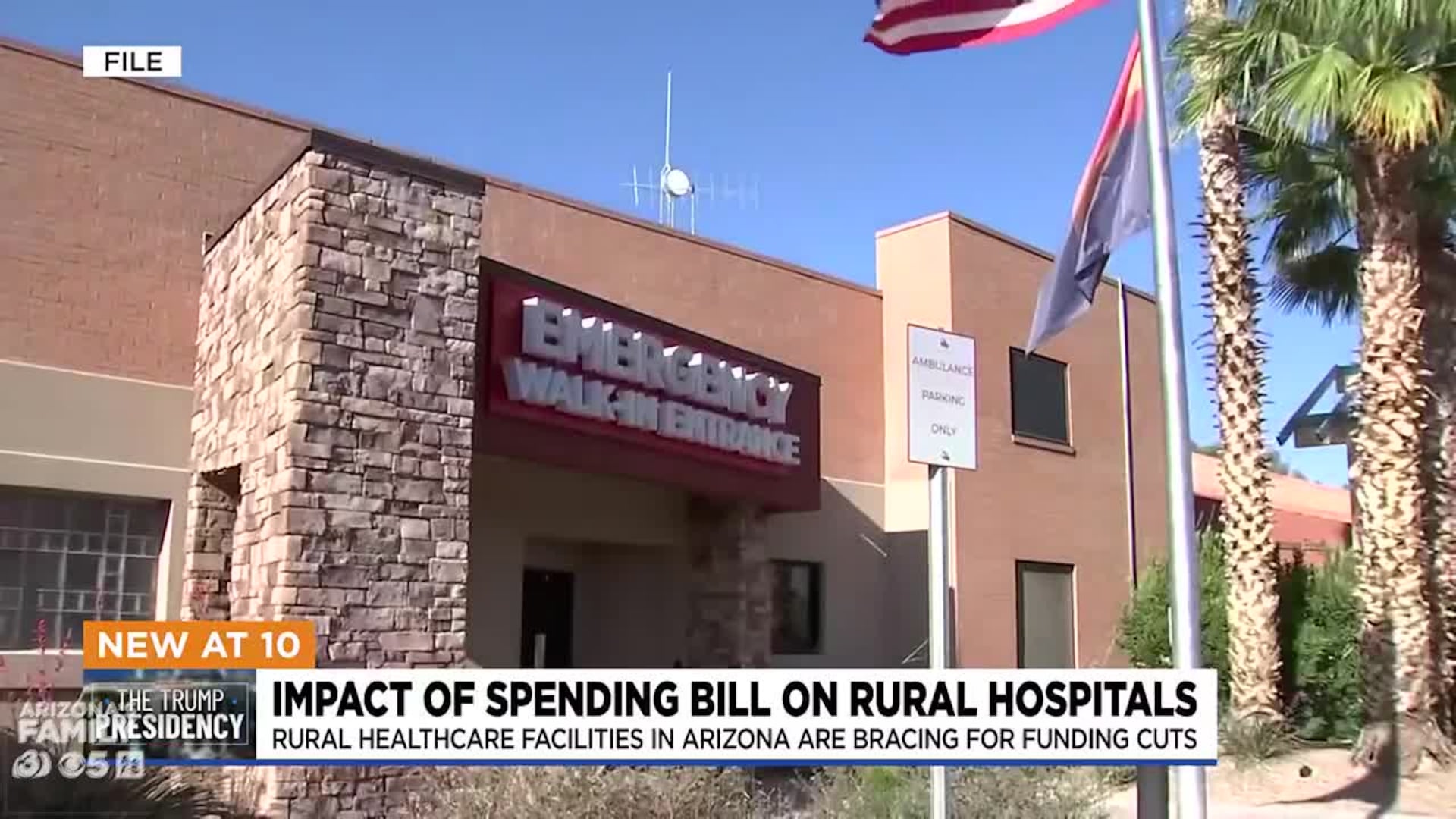
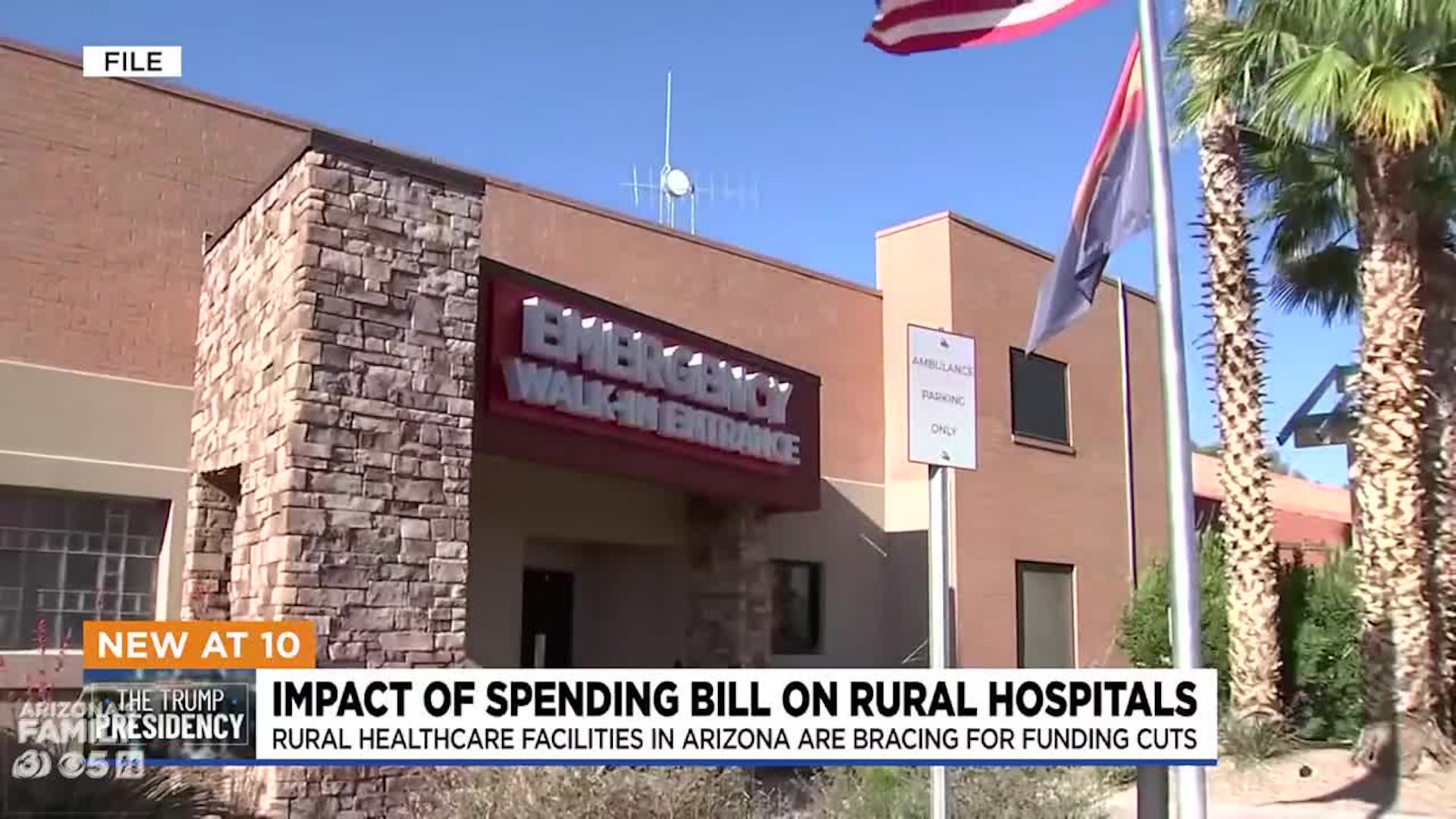
Arizona’s Healthcare Under Strain: Medicaid Cuts and Their Ripple Effects on Rural Communities
The recent Medicaid funding cuts in Arizona have sparked bitter debate, raised eyebrows, and caused an understandable level of anxiety among healthcare leaders. In a state known both for its extreme weather and its vibrant, diverse communities, the decision to slash billions from Medicaid over the next several years is not a move taken lightly. This opinion editorial aims to take a closer look at the issue, examine its tricky parts, and shed light on the tangled issues that lie ahead for hospitals in rural areas.
When we talk about billions of dollars being retracted from hospital budgets, we are discussing more than mere accounting changes. We are talking about the hidden complexities of hospital management, the nerve-racking decisions faced by administrators, and ultimately, the potential for changes that could directly affect patient care. Can patients continue to receive quality care if hospitals are forced to cut services or reduce staff? Rural communities, which already face significant challenges, are poised to bear the burden as providers scramble to figure a path through this tense situation.
Digging into the Facts: What Do Medicaid Cuts Mean for Arizona?
Medicaid has long been a key financial source for hospitals, especially those in rural areas. According to recent estimates by the Arizona Hospital and Healthcare Association, the state might lose up to $6 billion over the next seven years. The warning sounds even louder when we consider that Medicaid cuts could strip millions of dollars annually from hospital budgets. Helena Whitney, the association’s vice president, highlighted that there is “no other option but to cut services and to cut staff” as these budget shortfalls grow.
The challenges come not only from reduced funding but also from the increasing number of people who, without proper healthcare insurance, must be treated without compensation. Whitney’s reference to “uncompensated care” pinpoints a nerve-racking reality: even if people struggle to pay their bills, they must be cared for in emergencies. When nearly 2 million Arizonans currently depend on the state’s Medicaid program—AHCCCS—any cut could place additional pressure on hospitals already operating with very thin margins.
The situation is even more complicated in rural counties. Take, for example, rural areas like Yuma, where a single primary provider, Onvida Health, serves a vast region. With about a quarter of its patients relying on Medicaid and nearly half on Medicare, the financial see-saw that Onvida Health must manage is extremely delicate. Even if immediate cuts are not on the horizon, hospital administrators like CEO Robert Trenschel worry about how these future losses could force difficult choices regarding services, staffing, and facility maintenance.
The Financial Tightrope: How Hospitals Are Managing Their Budget Constraints
Every hospital must now get into the nitty-gritty and figure a path through the maze of financial uncertainty. Operating on margins as slim as 2–3 percent, hospitals face a situation that is full of problems. The need to boost revenue while grappling with rising uncompensated care can be overwhelming. Hospital administrators are forced to balance quality patient care alongside maintaining financial viability—a task that is both confusing and full of minute details.
Let’s examine some of the tricky bits that hospitals must deal with:
- Budget shortfalls: With billions being cut from funding, many hospitals are left scrambling to cover operating costs, often facing the daunting possibility of cutting essential services.
- Increased uncompensated care: As more uninsured patients rely on emergency care, hospitals see their already stretched resources being siphoned off to treat those who cannot pay.
- Staffing issues: With reduced funding, hospitals may be forced to cut staff numbers, increasing the workload on existing employees and potentially impacting the quality of patient care.
- Service reductions: Rural hospitals that serve wide geographic areas could be compelled to reduce or even close vital clinics, forcing patients to drive longer distances to receive care.
This list helps clarify that the effects of Medicaid cuts are not confined to a single facet of hospital operations. They ripple through every department, making the challenges even more intimidating.
Impacts on Rural Healthcare Access: The Reality of Long Drives for Medical Care
For many rural residents, the prospect of seeing their local hospital drastically change—if not close entirely—can be a scary thought. As hospital administrators begin to stress over potential revenue losses, patients may soon find themselves having to drive hours to reach basic, yet essential, services. Helena Whitney shared her personal connection to the issue, recalling her upbringing in Sierra Vista, Arizona. Imagine having to travel nearly two hours to Tucson just to receive care that might have once been local.
This situation is not just an inconvenience. Rural communities, many of which already face challenges such as lower average incomes, limited public transportation, and fewer healthcare providers, could see this daunting reality become their everyday lives. The implications extend beyond the immediate health risks to include delays in treatment, increased travel costs, and the overall strain on community health and well-being.
A summary of key challenges for these communities includes:
| Issue | Description |
|---|---|
| Reduced Local Access | Potential closure or downsizing of local hospitals could force residents to travel longer distances for care. |
| Long Travel Times | Extended journeys for basic medical services put added stress on patients, particularly the elderly and those with chronic conditions. |
| Increased Financial Burden | The cost of travel and time away from work adds to the economic challenges already faced by residents in rural areas. |
| Compromised Health Outcomes | Delays in accessing care can result in worsened medical conditions and potentially life-threatening situations. |
The table above illustrates that the seemingly simple act of reducing Medicaid funding carries with it a host of problems for rural communities. Every mile added to a patient’s journey compounds the stress on an already burdened system.
Understanding the Hidden Complexities: Uncompensated Care and Its Broader Impacts
Another subtle detail that doesn’t always make the headlines is the issue of uncompensated care. When hospitals treat patients who have no insurance, they essentially provide care without getting paid—a fact that places super important pressure on their already thin budgets. Whitney’s mention of uncompensated care highlights one of the little twists in the funding saga: even when patients arrive at the hospital in need, the cost of saving their lives is often absorbed by the institution, further straining financial resources.
Let’s break down some of the intertwined issues related to uncompensated care:
- Financial drain: Uncompensated services can cost hospitals millions each year, creating a significant financial black hole.
- Impact on services: The loss of funds means hospitals may have to make the off-putting choice of reducing services, which can affect everything from emergency care to outpatient services.
- Staff workload: As hospitals try to balance budgets, they may also see increased demands on their staff, who are already stretched thin by the necessity of providing free care.
It’s clear that while Medicaid is designed to provide a safety net, the reduction in funding has the potential to unravel some of the very fabric that keeps local healthcare services running. This is not merely a bureaucratic or financial issue—it is a matter that could affect life and death in communities where every minute counts.
Strategies Hospitals Are Using to Boost Revenue and Cut Costs
In an effort to avoid the drastic consequences of these budget cuts, hospitals are already moving to boost their revenue and pare down expenses where possible. While no single solution is perfect, several approaches have emerged as common strategies to mitigate the financial squeeze. These measures, though they may provide some relief in the short term, also introduce new challenges and complicated pieces of the overall puzzle.
Some of the key strategies include:
- Optimizing Operational Efficiency: Hospitals are taking a closer look at their day-to-day operations to find ways to reduce waste and improve productivity. This might mean consolidating departments, investing in new technology, or streamlining patient intake processes.
- Diversifying Revenue Streams: To offset the loss from Medicaid funding, many institutions are exploring partnerships, grants, and private funding opportunities. While these options can be promising, they are often tied up with their own set of complicated pieces and legal requirements.
- Implementing Cost-Cutting Measures: Unfortunately, every hospital may have to contend with the reality that cost-cutting can sometimes come at a steep price. Reducing staff, limiting services, or even cutting maintenance on facilities pose long-term risks that might overshadow short-term savings.
- Expanding Telemedicine Services: With the advent of technology, some hospitals are embracing telemedicine as a way to deliver care more efficiently. This expanded access can be especially beneficial in rural areas, helping to bridge the gap when physical travel becomes burdensome.
Each of these strategies carries its own set of tricky parts. For example, while telemedicine is a promising route, it also demands investments in infrastructure and technology—resources that might already be in short supply due to the Medicaid cuts. Similarly, the move toward operational efficiency may lead to unintended consequences such as increased employee burnout or reduced quality in patient care.
Balancing Patient Care and Financial Viability: A Delicate Equation
At the heart of this debate is a simple yet powerful question: How do hospitals continue to provide essential care when their own financial health is under threat? The answer is not a straightforward one. Hospitals are working through a revolving door of decisions where they must continuously balance patient care with managing limited budgets. The consequences of failure on either side could lead to significant long-term harm.
Consider the following factors that make balancing these issues particularly nerve-racking:
- Quality of care versus fiscal health: Reducing services might save money in the short term, but it risks compromising patient outcomes, especially in emergency situations.
- Staff morale and retention: Layoffs and staff cuts can create an environment that is loaded with tension, making it hard for remaining employees to provide quality care.
- Community trust: When local communities see their hospital struggle financially, it can lead to eroding trust and increased anxiety about healthcare access.
- Regulatory pressures: Hospitals must also contend with state and federal regulations which may add yet another layer of confusing bits to an already complicated situation.
These factors reveal that the Medicaid cuts are not a singular issue but a multifaceted challenge that touches on everything from day-to-day operations to the broader health and safety of entire communities.
Long-Term Consequences: What Might the Future Hold for Arizona’s Health System?
Looking ahead, the consequences of these Medicaid cuts could be profound and far-reaching. In the coming years, as hospitals face increasing financial pressures, several scenarios could unfold:
- Service Consolidation: Some facilities may decide to merge or consolidate services to reduce overhead costs. Though this might help balance the books, it could also lead to decreased accessibility, particularly for patients in remote areas.
- Increased Patient Travel Times: As local services shrink, patients might end up driving long distances just to see a doctor or receive emergency care—a development that is both inconvenient and potentially dangerous.
- Staff Shortages: With fewer funds to support competitive salaries and benefits, hospitals may struggle to attract and retain skilled medical professionals, resulting in a decline in overall care quality.
- Greater Reliance on Telemedicine: While this may offer a partial solution, telemedicine cannot fully replace hands-on care, particularly for complex medical cases that demand immediate human intervention.
- Escalated Uncompensated Care: The ongoing increase in uncompensated care could force some hospitals into chronic financial instability, meaning that even non-Medicaid-related budget issues could compound overall financial stress.
Each of these potential outcomes is loaded with issues and requires careful consideration. The little details—such as the precise way funds are allocated or the specific services cut—could make all the difference. While there isn’t a one-size-fits-all solution, the path forward will undoubtedly involve hard conversations, creative problem solving, and a genuine commitment to preserving both patient care and hospital solvency.
Exploring Alternative Perspectives: Aren’t There Some Potential Upsides?
In any heated debate, there is always the question of whether some silver linings might emerge amid the challenges. It might seem counterintuitive, but the Medicaid cuts could force hospitals to rethink and ultimately improve their operational models. When institutions are pushed to their limits, sometimes innovation arises.
For instance, the increased emphasis on telemedicine might drive long-term technological advancements in healthcare delivery. As hospitals work through the overwhelming financial constraints, they could adopt more efficient practices that might have been set aside in a more comfortable financial climate. Moreover, the push to diversify revenue could lead to creative partnerships between public and private sectors that benefit patients in the long run.
Nonetheless, these potential benefits do not negate the immediate risks. While innovation is essential, it is also critical to remember that the current cuts represent a super important threat to well-established healthcare practices. We must be cautious not to romanticize the need for drastic change when such change might compromise the level of care that rural communities have come to rely on.
How Stakeholders Can Work Together: A Collaborative Approach to a Tough Problem
The challenges posed by Medicaid cuts are not isolated to hospitals alone. They impact patients, doctors, community leaders, lawmakers, and even the broader economic landscape of Arizona. This situation calls for a coordinated response—one where all parties involved work together to address the many twists and turns of this issue.
A multi-faceted approach might involve:
- Enhanced Communication: Encourage open dialogue between state officials, hospital administrators, and community leaders. Regular town hall meetings or public forums could provide a space to brainstorm solutions and troubleshoot emerging issues.
- Legislative Advocacy: Stakeholders can work to push for adjustments in Medicaid policies. Whether it is tweaking the formula used for funding or developing supplementary programs to offset lost revenue, lawmakers need to stay engaged with the ground realities.
- Public-Private Partnerships: Hospitals might consider forming alliances with local businesses and philanthropic organizations. Such partnerships could help bridge funding gaps in return for community benefits, such as improved health services or job creation.
- Investments in Technology: Expanding telemedicine and digital health services can serve as a complementary strategy. Investing in modern technology might not only reduce costs in the long run but also provide better access to care in remote areas.
An integrated table summarizes these approaches:
| Action | Potential Benefit | Key Considerations |
|---|---|---|
| Enhanced Communication | Open dialogue, better solution-finding | Requires transparency and regular engagement |
| Legislative Advocacy | Policy adjustments, targeted funding | Demands ongoing commitment and negotiation |
| Public-Private Partnerships | Supplementary financial support and innovation | Necessitates careful contract planning and mutual benefit |
| Investments in Technology | Improved access, long-term cost savings | Initial investment may be high; benefits accrue over time |
While no one solution will resolve every issue overnight, a concerted, cooperative push could help soften the impact of Medicaid cuts on rural health. It’s up to all stakeholders to work through this maze of challenging issues and take a closer look at every option on the table.
Finding a Path Forward: Lessons from Past Challenges
History shows that when healthcare faces full-of-problems twists and turns, the community usually finds a way to adapt. Lessons learned from past financial constraints and operational challenges suggest that while the current Medicaid cuts pose a serious threat, they may also be a catalyst for necessary changes in the healthcare system.
When hospitals have had to tighten their belts in the past, they often found that the shift forced innovation. Whether it was the rapid embrace of electronic record systems or enhanced patient flow management techniques, these are instances that highlight the benefit of thinking outside the box—when confined spaces force you to figure a path through, creativity can blossom.
There are several key lessons to consider:
- Resourcefulness in Adversity: Hospitals have repeatedly demonstrated their ability to survive even the most overwhelming challenges by adopting new methods and technologies.
- Community Resilience: Rural communities have long been known for their ingenuity and willingness to help one another through difficult times. With the right support, these communities can adjust to a changing landscape.
- Innovation Driven by Necessity: Financial strains often spark creative problem solving. Technology upgrades, process improvements, and collaborative strategies have emerged from previous healthcare challenges and can be applied to current issues.
These valuable insights remind us that while the current situation is undeniably overwhelming, it is not insurmountable. With careful planning, mutual support, and a hunger for innovation, Arizona’s healthcare system can find its way through this labyrinth of financial and service challenges.
Community Perspectives: Voices from Both Sides of the Aisle
No discussion surrounding Medicaid cuts is complete without recognizing the voices of the everyday people whose lives are impacted the most by these decisions. Patients, doctors, and community leaders have their own take on what these funding cuts mean for the future of healthcare in Arizona.
Many residents in rural areas express a mix of concern and determination. For some, the possibility of having to travel hours for a simple consultation is a reality that feels both overwhelming and scarily real. On the other hand, some community leaders see this as an opportunity to streamline services and push for innovative care models that could serve the community in unexpected ways.
Interviews and town hall discussions have revealed a few common sentiments:
- Frustration with the Loss of Local Care: Many rural residents express dismay at the idea of losing services that have been taken for granted over the years. The trust built in local hospitals is hard to replace, and the thought of having to venture far for care raises serious quality-of-life concerns.
- Calls for Immediate Action: Community leaders are urging local and state officials to work together to find a short-term solution that protects local healthcare facilities while long-term strategies are developed.
- Hope in Innovation: Despite the problems, there is an underlying current of optimism that with new technologies and revised policies, the negative impacts can be mitigated and even turned into stepping stones for advancement.
These voices remind us that while policy decisions may seem distant from everyday life, they can directly shape the quality of care and well-being of entire communities. It is essential to listen to these perspectives in order to devise policies and strategies that work for everyone involved.
Legal and Policy Considerations: Understanding the Broader Framework
The controversy surrounding Medicaid funding isn’t solely an issue for hospital administrators—it is also a legal and political minefield. Lawmakers and legal experts must work together to sort out the tangled issues of state budget allocation while ensuring that fundamental rights to healthcare remain protected. In many ways, this is about striking the right balance between fiscal responsibility and the super important obligation to safeguard public health.
Key legal and policy points include:
- Constitutional and statutory obligations: State and federal governments both have responsibilities to ensure that citizens have access to essential medical services. As funding is reallocated, legal frameworks may be scrutinized to determine if such shifts violate any public trust or contractual obligations.
- Regulatory oversight: Healthcare remains one of the most regulated sectors in the nation. Significant changes in funding require careful oversight to ensure that hospitals continue to adhere to established care standards even under financial duress.
- Potential for litigation: With so many lives at stake, any mishandling of funds or abrupt service cutbacks could lead to legal challenges from communities, advocacy groups, or even individual patients.
- Long-term policy adjustments: Lawmakers must consider whether short-term cost-cutting measures are worth the potential long-term public health consequences, and whether alternative strategies, such as targeted subsidies or temporary funding boosts, could offer a better compromise.
All these components illustrate that the Medicaid cuts are not operating in a vacuum—they are part of a broader legal and societal context that requires thoughtful, well-informed decision-making.
Recommendations for Immediate Action: What Should Stakeholders Do Now?
In light of the many challenges and tricky bits associated with the Medicaid cuts, it is worth considering a set of super important recommendations for how stakeholders might respond in the immediate future. While these suggestions aren’t silver bullets, they may help mitigate some of the negative impacts on local healthcare.
Key recommendations include:
- Ensure transparency: Both healthcare providers and state officials should provide clear, honest communication with the public. Transparency about budget shortfalls and the rationale behind any service cuts can help build trust.
- Develop interim funding mechanisms: As longer-term solutions are developed, temporary measures—such as emergency grants or supplementary funds—could provide crucial support for hospitals facing imminent financial hardship.
- Invest in modern technology: Accelerating the adoption of telemedicine and digital health records can help hospitals streamline operations, potentially leading to savings that offset budget cuts in other areas.
- Strengthen public-private partnerships: Hospitals could work more closely with local businesses, philanthropic organizations, and even educational institutions to identify innovative funding solutions and cost-sharing models.
- Focus on preventative care: By emphasizing preventative measures, communities could reduce the pressure on emergency departments and hospitals, ultimately easing the burden on the healthcare system.
These measures, while not simple, represent a coordinated response—a way to steer through the immediate crisis while laying the groundwork for a more sustainable approach to healthcare funding in Arizona.
Final Thoughts: Steering Through the Maze of Medicaid Cuts
As we take a closer look at the unfolding scenario in Arizona, there is no denying that the proposed Medicaid cuts pose both immediate and long-term challenges that are loaded with issues. Rural hospitals, already operating on razor-thin margins, face a future where basic services may be reduced, staff cutbacks become a reality, and patients are forced to travel much farther for care.
Yet along with these problems, there remains a thread of resilience—a spirit of innovation and community solidarity that has helped Arizona’s healthcare providers manage through past crises. By working through the confusing bits of strained finances, exploring creative strategies to boost revenue, and ensuring that communities have a voice in every decision, there is hope that the negative effects can be mitigated.
Ultimately, finding your way through these difficult times will require open dialogue, shared responsibilities, and a genuine commitment to the well-being of every individual in Arizona. While the twists and turns of this situation are intimidating, history has shown that with teamwork and innovative thinking, even the most tangled issues can be managed. The challenge now is for lawmakers, hospital administrators, and community members alike to put aside partisanship and focus on creating a sustainable future for healthcare that serves every Arizonan fairly.
In conclusion, the Medicaid cuts are a loud wake-up call. They force us to face not just the financial realities of running a hospital in today’s economic climate, but also the profound impact life-altering decisions have on rural communities. As Arizona navigates this nerve-racking landscape, every stakeholder must keep their focus on the essential mission: ensuring that quality care remains accessible, affordable, and within reach for every individual, regardless of where they live.
It is our collective responsibility to steer through these challenges by pushing for transparency, fostering collaboration, and investing in innovative solutions that just might keep our beloved healthcare system robust and responsive. Only by working together can we hope to preserve the lifeline that hospitals provide—a lifeline that, in the face of overwhelming financial pressures, is as critical as ever.
As readers, community members, and citizens of Arizona, we must remain vigilant and involved. The choices made in boardrooms and legislative halls today will echo in the hospital corridors and emergency rooms of tomorrow. Let us advocate for policies, support our local institutions, and ensure that the safety net of Medicaid does not unravel at a time when it is needed the most.
There is no easy fix to these tangled issues, and the road ahead is unquestionably full of challenges. But if we embrace open discussion, consider every fine detail carefully, and push for strategies that prioritize people and patient care, we can work our way through this maze of financial and service-related problems. The future of Arizona’s healthcare depends on the commitment now shown by each of us—a commitment underscored by the resolute belief that access to quality care is a right, not a privilege.
In the final analysis, the Medicaid cuts present a complex puzzle—a puzzle where every piece matters. As we dig into the controversies, assess the potential benefits of technological advancements, and explore innovative financing models, the goal remains unmistakable: to ensure that every Arizonan has the healthcare support they need, now and in the future.
While the journey may well be an intimidating one, let us remember that the resiliency of our communities, the spirit of innovation in our hospitals, and the collective will of our citizens can light the way through even the darkest of times.
This is a moment for all of us to reflect, to engage, and to demand that our leaders take definitive action. The lives of millions depend on it—and in the end, that is a challenge no one can afford to ignore.
Originally Post From https://www.azfamily.com/2025/07/09/rural-hospitals-risk-arizona-faces-billions-medicaid-cuts/
Read more about this topic at
Saving Rural Hospitals: The Crisis in Rural Health Care
AMA outlines 5 keys to fixing America’s rural health crisis
