
Analyzing the Trail from Arizona to Idaho: A Community and Legal Perspective
The tragic incident that occurred on the slopes near Coeur d’Alene, Idaho, where two firefighters lost their lives in an ambush, has raised many questions about community safety, legal accountability, and personal history. As we take a closer look at the suspect’s ties to Arizona, we find ourselves sifting through tangled issues, subtle details, and nerve-racking twists and turns, all while trying to figure a path forward as a society.
At the heart of this case is 20-year-old Wess Roley, the individual identified as responsible for the ambush that disrupted lives in a close-knit community. Roley, who was born in California and called Arizona home before relocating to Idaho at the age of 18, now emerges as a figure who forces us to reevaluate our understanding of the subtle parts linking personal history and legal accountability.
Tracing the Suspect’s Journey: From Arizona Roots to Idaho Ambush
When analyzing events of this nature, it is essential to consider the background of the person involved. Roley’s move from Arizona to Idaho, reportedly to work for his father’s tree trimming business, introduces a complex narrative that is loaded with questions about environment, upbringing, and missed opportunities. With no significant criminal history reported prior, this journey highlights the complicated pieces of an individual’s path that can culminate in an outburst of violence.
While many details remain shrouded in uncertainty, such as the exact motivation or any documented symptoms of radicalism, the known facts indicate that Roley lived out of his vehicle and had a brief stint in minor contacts with law enforcement. His previously held aspiration to become a firefighter adds to the confusing bits of this case, leaving many wondering how someone with dreams of public service could diverge so drastically.
Exploring the Background and Community Influences
There are several key areas where Trailing the suspect’s life story offers insight into this legal and societal puzzle:
- Home Environment: Growing up in California and later residing in Arizona may have exposed Roley to contrasting social, economic, and cultural influences. These subtle parts of his background might have contributed to the inner conflicts that surfaced later.
- Education and Employment: The decision to relocate at 18 to work for a family business suggests an attempt to forge a professional link with familial responsibilities. However, this effort might have been overshadowed by personal struggles and external pressures.
- Relationship with Law Enforcement: His fleeting and minor encounters with local police raise questions about whether there were red flags that were overlooked, or if these were simply routine interactions that unfortunately did not evolve into opportunities for support.
Community Safety and the Role of Firefighter Protection
This case brings to light the unpredictable nature of events that deeply affect first responders and community safety networks. Firefighters, by their very nature, confront inherently nerve-racking situations on a daily basis. The ambush that claimed the lives of these dedicated professionals has further underscored the delicate balance between public service and personal safety.
The fact that an individual who once aspired to join the firefighting ranks later became an aggressor against those risking their lives to protect others is not only ironic but also a stark indicator of how life’s unpredictable twists can sometimes lead to tragic outcomes. It begs the question of how communities can better protect these essential workers from such off-putting incidents while ensuring that individuals in crisis find appropriate interventions before reaching a tipping point.
Safeguarding Public Service: Policy and Outreach
Ensuring the safety of firefighters and other first responders is a super important element in preventing such tragedies. Here are some areas where policy adjustments and community outreach might be beneficial:
- Enhanced Screening: While Roley’s case did not show significant red flags in terms of criminal history, incorporating more in-depth interviews and mental health evaluations for public service aspirations might help uncover hidden complexities in a candidate’s profile.
- Community Engagement Programs: Encouraging close-knit ties between public service professionals and the communities they serve can foster an environment where early signs of distress are detected. Support networks could be critical in finding your way through personal challenges before they escalate into violence.
- Legal and Social Safeguards: Legal frameworks that provide immediate assistance and intervention for individuals experiencing personal and professional difficulties may help stear through potential crises more effectively.
Legal Insights and the Challenge of Ambush Cases
Underneath the surface of a case like this lies a tangled web of legal questions and responsibilities. Law enforcement, legal authorities, and government officials must piece together the nitty-gritty of this tragic ambush to understand its full impact on society. The investigation is still in progress, with authorities still working through the small distinctions that could point to clear motive and broader accountability.
At this moment, officials have noted that Roley appeared to act alone and that his actions may have been deliberate as he initiated a fire before commencing his ambush. However, finding your way through this case legally remains challenging, given the absence of a manifesto or clear indication of his underlying motivations. The law faces a nerve-racking task: balancing empathy for lost public servants with the need to hold accountable any actions that endanger community safety.
Legal Complexities and Public Policy Dilemmas
In dissecting the legal challenges presented by this ambush, one must consider the following tangled issues:
- Motive and Accountability: With no clear manifesto in hand, legal experts are left to interpret a string of ambiguous clues to reconstruct Roley’s thought process. This leads to a broader discussion on whether intentional acts, such as arson combined with shooting, warrant additional charges or different legal frameworks.
- Criminal Responsibility: The fact that Roley had only minor past interactions with the police complicates efforts to argue for preventative detention or other measures that might have stopped the tragedy. How do we balance an individual’s personal history with the severity of their actions?
- Investigation Methodologies: Authorities have used cell phone data with pinpoint accuracy, showcasing the increasing reliance on digital evidence in modern criminal investigations. However, questions remain on whether such methods can always be fully trusted or appropriately contextualized within the larger framework of criminal law.
Firearm Use, Arson, and the Hidden Complexities of Modern Ambushes
An essential element in this case is the use of a high-powered rifle combined with the act of igniting a wildfire. From a legal perspective, these are not mere isolated criminal acts; they represent a merging of violent intent with environmental risks, a combination that complicates the landscape of terrorism and criminal law.
When a suspect employs both a firearm and implements arson, the legal system is forced to confront multiple layers of responsibility and guilty pleas. Some of the complicated pieces at play are the strict liability of arson, the potential charges of attempted terrorism, and the severe penalties associated with endangering human life and public safety.
This combination also forces society to reflect on access to firearms and links to extremist actions or personal failings. In this light, the incident serves as a cautionary tale on how the blending of different violent methodologies can result in outcomes that are both unpredictable and intoxicating in their impact on public policy and legal precedents.
Understanding the Legal Ramifications of Combined Offenses
When multiple charges are in the mix, the following points require careful consideration:
- Arson and Fire Safety Laws: When fires are set deliberately, especially in vulnerable or protected natural areas, the legal frameworks become as challenging as they are critical. Fingerprinting the criminal act of arson along with subsequent gunfire emphasizes the severity of neglecting public safety.
- Firearm Legislation: Gun control debates resurface every time an incident involves high-powered rifles. Lawmakers must weigh the rights of gun owners against the needs of a society increasingly on edge due to random acts of violence.
- Multi-Charge Dilemmas: Determining whether these actions should be considered separate crimes or facets of a single, coordinated criminal act is a detail-laden question. Legal teams are often confronted with the task of sorting out the combined effects of these actions on both criminal charges and sentencing guidelines.
Examining Law Enforcement Tactics and Crisis Data Utilization
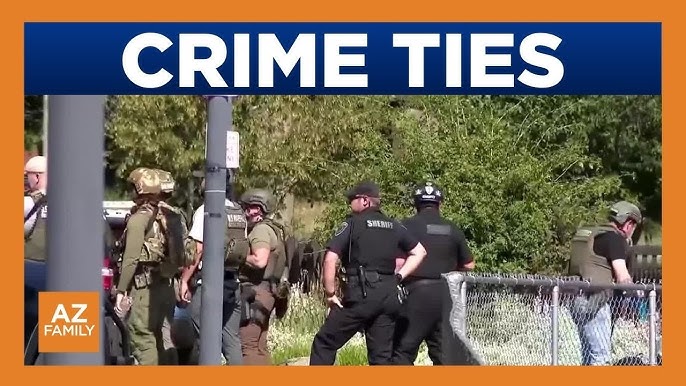
One aspect of this incident that deserves particular attention is the role of modern technology in shaping law enforcement responses. The use of cell phone data allowed a tactical response team to make their way to a wooded area in record time. This, however, raises additional questions about privacy, digital evidence collection, and the broader societal reliance on technology in handling emergencies.
While the application of such digital forensic tools has become super important in contemporary investigations, it also prompts critics to point out that over-reliance on data could overlook the human elements that often provide the fine shades of context in chaotic situations. It is critical that authorities continue to balance the benefits of technology with the need for compassionate community-based policing.
The Role of Technology in Modern Investigations
The digital footprints left behind in incidents like these offer several lessons for both law enforcement and the public:
- Rapid Response: The use of real-time data can significantly reduce response times and potentially save lives. Accurate location tracking is key when seconds count, particularly in areas of rugged terrain.
- Privacy Concerns: With increased digital surveillance, there is a fine line between effective investigation and encroachments on individual privacy. Ensuring this balance remains a tiny twist that lawmakers and civil liberties advocates must address.
- Evidence Integrity: Digital logs, phone records, and similar pieces of data provide critical evidence that modern criminal investigations rely upon. However, the reliability of such information is subject to debate, particularly in legal arenas where every subtle detail matters.
Community Grief and Public Mourning: The Human Cost
This case is not merely a legal puzzle or a debate on policy—at its core, it represents a heartbreaking loss for a community. The loss of two dedicated firefighters has left a void that cannot be filled by legal or technological solutions alone. Public mourning in Coeur d’Alene has been both swift and powerful, with American flags adorning a major interstate as a collective demonstration of respect and sorrow.
Local officials, including Governor Brad Little and the Kootenai County Sheriff, have taken steps to honor the memories of these public servants. The decision to lower flags to half-staff until after the memorial service is emblematic of how communities attempt to find solace even when faced with overly intimidating or overwhelming circumstances. These gestures, although symbolic, remind us of the indispensable value of human life and the sacrifices made in the line of duty.
Community-Based Healing and Restorative Justice
In the wake of such tragedies, communities might consider the following approaches to healing and addressing the problems that lie beneath the surface:
- Memorials and Vigils: Organized events where community members gather to share their grief and honor the fallen can strengthen the bonds among residents. These gatherings also serve as a forum for a dialogue on how to prevent similar tragedies.
- Mental Health Support: Immediate resources for counseling and mental health support must be made available to those affected, including first responders who often suppress their own stressors in order to care for others.
- Dialogue with Law Enforcement: Ensuring community voices are heard and establishing trust with law enforcement agencies remains a key step in moving forward. Regular community meetings and open forums can help bridge gaps between officials and the public.
Policy Implications and Broader Legal Challenges
With cases such as these, political and legal stakeholders must work through many tricky parts and tangled issues that feature prominently in broader debates on safety, accountability, and public service. The discussion is not solely about one case or one individual—it is about laying the groundwork for policies that can prevent similar events from occurring.
The layers of legal responsibility in ambush cases present several areas for policy improvement. Lawmakers and legal experts need to collaborate on measures that include both preemptive mental health interventions and the responsible enforcement of existing, and sometimes new, firearm and arson-related regulations.
Key Policy Considerations Moving Forward
In thinking about the legal reforms that might spring from this and similar cases, several points stand out:
- Streamlining Communication Lines: Enhanced cooperation between state and local agencies across state borders can be crucial when a suspect’s life crosses multiple jurisdictions. For instance, the transition from Arizona to Idaho in Roley’s case emphasizes the need for inter-state dialogue and data sharing.
- Review of Background Checks: Although Roley’s record shows only minor contacts with local police, a more thorough review of personal histories—potentially including more comprehensive mental health assessments—might help flag individuals who exhibit hidden complexities that could lead to dangerous outcomes.
- Public Safety Training: Investing in crisis management training for law enforcement and first responders might help teams better manage unexpected ambush scenarios. Strategies that incorporate both traditional tactics and digital forensic techniques are likely to increase overall resiliency.
- Community Outreach Initiatives: Programs aimed at improving community trust in public institutions can help create early warning systems in times of personal or societal crisis. Such initiatives are key in managing the community’s path through challenges that are often intimidating and off-putting.
The Human Element in Legal Cases: Families and Personal Responsibility
A significant aspect of this tragic event is the impact on families—not just those of the victims, but also of the suspect. The Roley family’s public statement echoed deep sorrow and a desire for answers, simultaneously expressing condolences and indicating that they would cooperate fully with authorities. This emotional statement is a reminder that behind every legal case lies the human cost, which is often as tangled and nerve-racking as the legal proceedings themselves.
The personal pain experienced by families in such circumstances may drive them to seek transformation in both support networks and preventive measures. While legal procedures must remain impartial and fact-based, the stories behind the headlines compel us all to contemplate the intricate mixture of personal, familial, and societal factors that lead to moments of irreversible loss.
Family Impact and Responsibility in Crisis
When considering the role of the family in these tragic events, several considerations come into play:
- Emotional Fallout: The statements released by the Roley family, filled with heartfelt condolences, underscore the ripple effect that violence has on those left behind. Families are forced to confront not only grief but also the challenge of reclaiming stability after a life-altering event.
- Legal Cooperation: Families often become key witnesses or supporters for the investigation. Their willingness to cooperate fully with law enforcement highlights the importance of maintaining open lines of dialogue during times when every little twist in information can influence the outcome of the case.
- Calls for Preventive Measures: The involvement of families in policy discussions—and their emotional investment in finding answers—can act as a catalyst for reforms. Their experiences serve as tangible reminders of why the law must adapt to protect vulnerable individuals and communities from future tragedies.
Bridging the Gap Between Legal Procedure and Public Outcry
As news of this ambush spread across social and conventional media, public response became immediate and fervent. Images of grieving communities, solemn memorials, and the stark reminders of American flags at half-staff have all contributed to a growing sentiment that legal processes must change to better serve and protect society.
It is incumbent on policymakers to work closely with law enforcement, community leaders, and legal experts to figure a path that addresses the root sources of such disruptive events. At the intersection of legal procedure and public emotion, there lies a space where empathy meets accountability—a space dedicated to ensuring that dedicated public servants never face such overwhelming odds again.
Moving Toward a More Responsive Legal Framework
The collision between established legal methods and the public’s desire for justice creates an environment that is equally confusing and loaded with problems. To turn this collision into a constructive dialogue, our legal and political leadership may consider the following approaches:
- Policy Audits: Regular reviews of laws concerning firearm possession, arson, and emergency response could provide a platform for adaptive change. This process should involve experts from the legal, technological, and mental health fields to ensure that every fine point is thoroughly examined.
- Community Feedback Mechanisms: Introducing feedback systems that give community members a direct line to policymakers can improve transparency. Such measures might eventually lead to legislative changes that are more in tune with public expectations and the unpredictable nature of modern criminal behavior.
- Interagency Collaboration: Encouraging coordinated efforts across different government branches—including state departments from both Arizona and Idaho—can help streamline responses when complex cases emerge. This could be addressed through shared databases, unified response teams, and joint training sessions focused on recognizing early warning signs.
Concluding Reflections: Balancing Accountability, Empathy, and Preventive Measures
The ambush on firefighters in Idaho is a stark reminder that modern society faces a medley of challenging issues—both legal and personal—in an ever-changing landscape. As we dig into the details, it becomes evident that no facet of this case exists in isolation. The suspect’s ties to Arizona, his personal struggles, the heart-wrenching loss of community protectors, and the legal intricacies surrounding mixed charges all contribute to a narrative that is, at once, deeply disturbing and instructive.
This tragedy compels us to reexamine existing policies with an eye toward a more nuanced understanding of the underlying issues. From ensuring that the hidden complexities of personal histories do not go unnoticed, to refining legal procedures that might one day prevent such heartbreaking events from recurring, the case challenges us to find your way through a maze of ethical, legal, and community-driven questions.
It is critical that, in the coming months and years, lawmakers, law enforcement, and community advocates work together to bring about reforms that are both effective and compassionate. In doing so, we can honor the memories of those lost by fostering a society where public servants are protected by systems as resilient and responsive as they are dedicated.
Looking Forward: Bridging the Disconnect Between Personal Histories and Legal Structures
Moving forward, the balancing act between ensuring public safety and addressing individual grievances must be approached with honesty and an acknowledgment of how personal backgrounds shape actions. Here are some recommendations that might help shape future strategies:
- Invest in Early Interventions: Programs that focus on early mental health intervention, especially among youths transitioning into adulthood, can serve to notify community helpers long before personal struggles spiral into violent situations.
- Revise Background Screening Processes: While understanding that personal history does not predestine violent behavior, more refined methodologies for screening can help identify those who might benefit from social support or legal oversight.
- Foster Cross-State Collaborations: Given that many individuals, like Roley, cross geographical boundaries as they pursue work or personal goals, state-level cooperation is imperative to avoid fragmented legal responses.
- Embrace Technological Advancements: Balancing privacy with the benefits of digital forensics, law enforcement agencies should continually update their training to incorporate the latest tech tools to ensure quicker responses and thorough investigations.
Final Thoughts: Striving for a Safer Future Through Legal Reform and Community Unity
In summary, the case that unfolded near Coeur d’Alene serves as a multifaceted lesson in the delicate interplay between individual histories, legal responsibilities, and community well-being. While the loss of dedicated firefighters is a tragedy that resonates deeply within Coeur d’Alene and beyond, it also provides a crucial opportunity for introspection and reform. The detailed look at Wess Roley’s life—from his ties to Arizona to the ominous choices that led him to a path of destruction—forces us all to confront the hidden issues behind what might have seemed like isolated events.
As we continue to sort out the aftermath of this incident, legal experts, policymakers, and community members alike must work together to close the gaps that exist within our systems. By addressing both the technical bits of digital evidence and the human nuances of personal responsibility, there is hope that future tragedies can be averted.
While no single approach will remedy every confusing bit or tangled issue, the commitment to learning from these events is essential. In honoring the memory of those lost and supporting the families affected, society must steer through these challenges with both empathy and determined resolve. Only by doing so can we craft a legal framework and a community spirit that is resilient in the face of unpredictable, and sometimes overwhelming, turns of fate.
Ultimately, this episode is a call for increased vigilance, comprehensive support for at-risk individuals, and a sustained dialogue between law enforcement and the communities they protect. It is a reminder that behind every headline there is a human story—a story that we must work together to understand and prevent from repeating the same nerve-racking patterns in the future.
Originally Post From https://www.azfamily.com/2025/06/30/report-suspect-who-ambushed-killed-idaho-firefighters-has-arizona-ties/
Read more about this topic at
Arizona man identified in Idaho firefighter ambush | FOX 10 …
